 Soonqian
VFFS Packaging Machines: Slash Downtime & Boost Yield
Modern vertical packaging machine (VFFS) through the use of automated servo drive correction system, completely replaced the manual film. This upgrade not only greatly reduces downtime and increases production capacity, but also takes back the hours that operators wasted on adjusting the membrane track in the past. In the old packaging production line, film deviation is definitely the culprit leading to frequent “micro-shutdown” of the production line. Whenever the roll film has a tower-shaped layer shift (telescoping) or the tension drifts, the operator has to stop the machine, manually fine-tune the film frame, and then have to waste dozens of empty bags to test the alignment. Next, we will analyze in detail how to permanently remove the artificial film adjustment link from the process source, thus hard-core pushing your equipment’s overall efficiency (OEE) to more than 85%.
Why Are Old-Fashioned Devices “Devouring” Your Time In A Frenzy?
When the raw material is always “competing” with the machine, the operator cannot maintain a high production speed at all. On traditional pneumatic packaging machines, the film walk is usually passed through a static tension float roller and a friction brake reel. As a shift runs down, the diameter of the huge film roll becomes smaller and smaller, and the mechanical tension will naturally change. This tension drift can cause the film to drift uncontrollably from side to side as it passes through the former.
The resulting downtime is staggering. As soon as the membrane trajectory is biased, the longitudinal seal will be crooked. At this time, the operator can only stop the line, open the safety door, work hard to turn the handwheel to translate the whole film holder, and finally restart the equipment. For this simple manual correction action, the starting point is 3 to five minutes, and as many as two dozen waste bags have to be put in. If a production line has five such “micro-shutdowns” per shift, the value of your lost production capacity is as high as hundreds of thousands of dollars in a year.
“Zero Shutdown Pyramid” Rule Of Vertical Packaging Machine
To end this chronic downtime, the key is to completely kick out the “human intervention” from the process of film walking. The “Zero Shutdown Pyramid” dismantles the 3 mechanical upgrade stage necessary to achieve trouble-free film walking and continuous operation.
The First Layer: Dynamic Film Correction
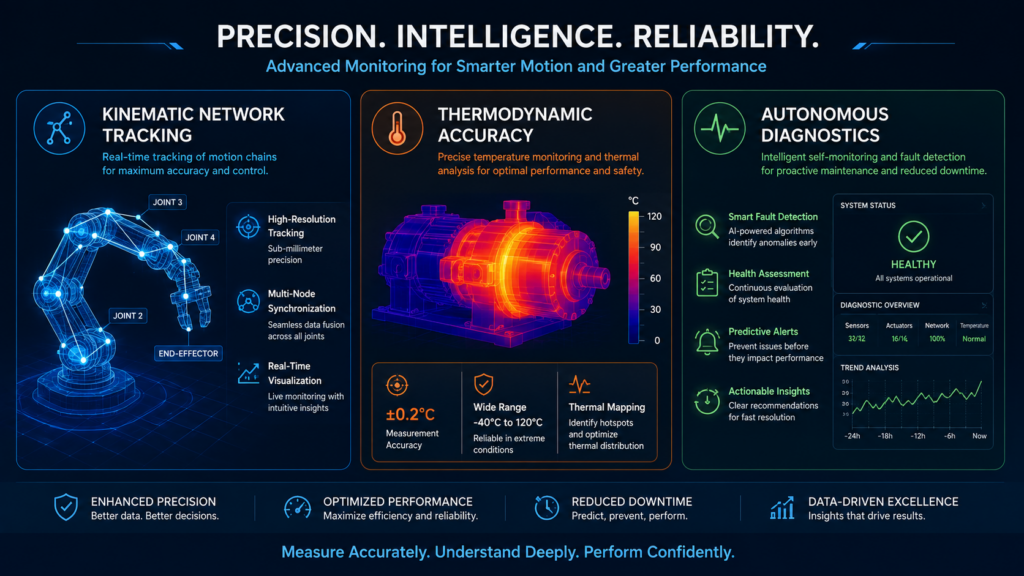
High-end vertical packaging opportunities use ultrasonic edge sensors (corrective electric eyes) to eliminate downtime caused by manual deflection. The machine no longer relies on the human eye to stare, but continuously reads the position of the edge of the film. Even if the film roll is not perfect enough, causing the tape to deviate by only one millimeter, the independent servo motor will move the entire film roll frame laterally in milliseconds. During the entire process, the cycle of the closing jaws is completely free of pause, and the film is always firmly aligned centrally on the forming tube. In this way, the downtime you spend on film walking adjustments is directly zeroed out.
The Second Layer: Precise Temperature Control At The Thermodynamic Level
Whether it is the adjustment film or the film, it will force the sealing jaw to be in an idle state. This leads to a very serious problem-the “heat penetration effect”. The old gripper will continuously radiate the residual heat to the film waiting in the sealing area, causing thermal deformation of the polymer structure. The result is that when you finally turn it back on, the first 5 bag will definitely leak or break. Equipment upgrades can completely remove this pain point. The modern direct drive servo gripper features a quick retracement design. At the moment when the film stops moving, the heating block will automatically return to a safe distance. This not only prevents thermal degradation, but also ensures that the first bag after the film can directly reach the standard of retail shelves.
The Third Layer: Autonomous Fault Diagnosis
Once the film belt is worn, the direct result is the film slipping and deviation. If you only rely on human eye inspection to decide when to change the belt, the sudden unexpected shutdown is almost impossible to escape. The modern vertical packaging machine monitors the torque load of the film-pulling belt servo motor in real time. When the friction coating on the surface of the belt begins to age and harden, showing signs of slipping, the motor consumes a little more current in order to pull the film. The machine’s human machine interface (HMI) will record this torque abnormality and send an alarm to the equipment supervisor to remind them to schedule a belt change at the planned shift time. In this way, the risk of sudden lying in the nest halfway through production can be strangled in the cradle.
Calculate How Much Downtime You Can Get Back.
From manual mechanical linkage to data-driven servo control, you fundamentally rewrite the way your production accounts. Relying on the operator’s “hand feeling” to repair the deviation problem will only result in a large amount of waste of packaging materials and unpredictable time-consuming changes.
We have tracked the performance indicators of 12 high-volume foundry packaging plants, all of which have replaced their old pneumatic equipment with modern servo-controlled vertical packaging machines. These data focus purely on the time snatched back from the membrane track and alignment tasks.
| Metric | Legacy Pneumatic Machines | Modern Servo VFFS Machines | Yield Impact |
| Tracking Adjustment Time | 5 mins / incident | 0 mins (automated) | Eliminates manual intervention and associated film waste per incident |
| Format Changeover / Alignment | 45 mins | 10 mins | Recovers 35 minutes of active production time per changeover |
| Seal Reject Rate from Offset | 4% | < 0.1% | Saves nearly 4% of total materials and significantly reduces rework |
| Unplanned Micro-Stops | 15 hrs / month | 2 hrs / month | Reclaims 13 hours of continuous production uptime monthly |
The specification change is the “hardest hit area” with extremely low efficiency of old equipment “. In order to adapt to the new bag width, the technician must personally recalibrate the forming tube, adjust the jaw pressure, and run several hundred feet of film empty, just to find the right film track. Modern machinery relies on HMI’s formula management system. As long as the operator selects a new SKU, the servo motor will instantly reset the correction sensor and sealing jaw to the precise position according to the saved parameters. You completely got rid of the trouble of manual trial and error, and turned the original 45-minute “line change nightmare” into an automatic silky switch that only takes 10 minutes to the field.
FAQs
Q: What is the main cause of vertical packaging machine (VFFS) downtime?
A: Most of the unplanned downtime is caused by film runout and subsequent manual debugging. Once the film deviates from the center, the sealing performance of the longitudinal seal will be destroyed, forcing the operator to stop production and open the equipment to manually reset the film rack.
Q: How does the ultrasonic edge sensor increase the output of the vertical packaging machine?
Answer: Whether the packaging material is transparent or printed with fancy patterns, the ultrasonic sensor can accurately detect the physical edge of the film. Once any offsets are captured, they are immediately signaled to the servo-driven film holder for correction. This uninterrupted real-time correction not only eliminates the bad seal, but also completely smoothes out the downtime caused by manual film adjustment.
Q: Why are the first few bags usually waste when the packaging machine is restarted?
A: This has to talk about the “heat penetration effect. When the old machine stopped to adjust the film, the stationary film would absorb too much radiant heat from the sealing jaws next to it. The strength of the plastic material becomes weak after being heated, and the equipment resume operation. The bags punched out in the next few cycles often burst or the seal becomes brittle.
Q: How should the longitudinal sealing leakage of the forming, filling and sealing machine be solved?
Answer: To solve the leakage of longitudinal seal, the key is to ensure that the overlapping part of the film at the former (elephant trunk) is perfectly symmetrical. If your equipment has tension drift, the overlap will be large and small, and air leakage will be natural. Upgrade to a machine equipped with automatic correction and independent servo film pulling belt, which can ensure the consistency of overlap and achieve perfect sealing.
Q: What is the average return on investment (ROI) for upgrading a vintage vertical bag making machine?
A: Manufacturing plants typically pay for their investment within 12 to 18 months. This economic account is very good: because you have eliminated the downtime of manual correction, greatly reduced the waste of packaging materials when changing lines, and the rate of defective products has fallen precipitously, all of which can be quickly converted into real profits in the short term.
Q: Why does the film roll itself cause deviation problems?
Answer: The main reason is that there is a deviation in the film rolling process in the packaging factory-that is, what we often call “tower roll/staggered layer (telescoping)”, or the transverse thickness of the whole film is uneven. If the machine is loaded with servo automatic correction film frame, it can easily “digest” these material defects without stopping the machine.