
 Soonqian
Packaging Machinery For Food And Beverage
To optimize food and beverage production efficiency, the key is not to buy a few machines to make do, but to fill the gap between “early investment” and “long-term operational efficiency”. The most effective solution must be to integrate automatic filling, capping and labeling into a highly synchronized, high-capacity production line.
The core of the selection lies in modular equipment that must be made of food-grade stainless steel (SS304/316). This is not only to meet the standards of CE and FDA hygiene, but more realistically it can directly cut off up to 70% of labor costs. A sufficiently professional configuration should be equipped with that intuitive and easy-to-use PLC control system. Whether you want to fill it with watery juice, sticky sauce, or deal with various odd-shaped bottles, it can be achieved by quickly switching parameters. This is the shortcut to maximizing the return on investment (ROI).
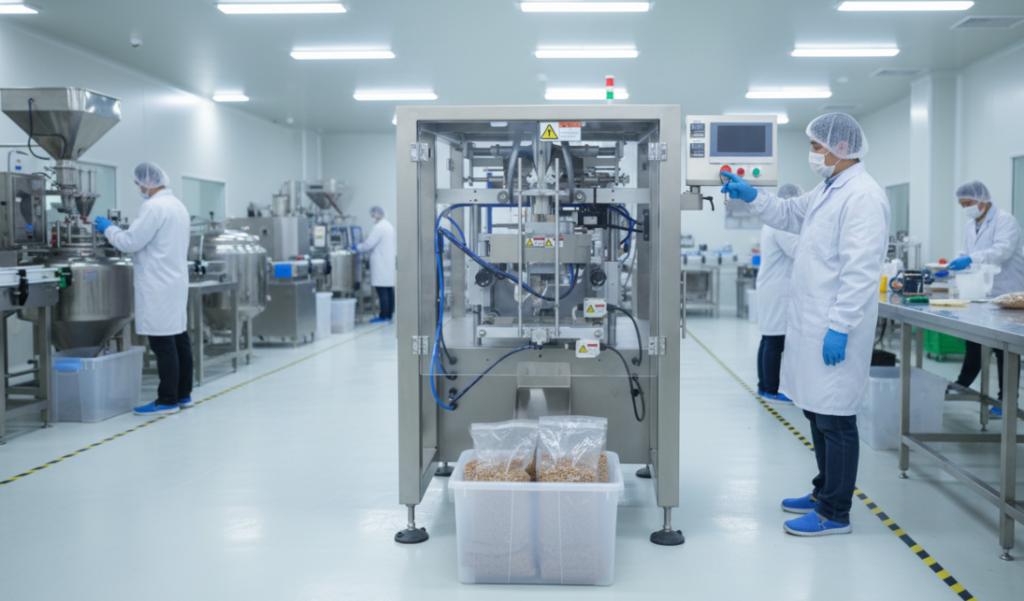
The “Heart” Of Modern Food And Beverage Production Lines
In the competitive food and beverage industry, fragmented production processes are a growth killer. A high-quality packaging machinery system is by no means a simple stack of independent units, but should be an ecosystem that operates synchronously.
By integrating filling, capping, and labeling “the three major components” into a single automated process, manufacturers can completely get rid of manual operations that are prone to pollution risks and slow down the pace. This synchronization means that the speed of the filling machine can accurately match the torque of the capping machine and the accuracy of the labeling machine. The direct benefit of this “sense of harmony” is high output. The production line can run continuously, and the output of each shift will be a qualitative leap compared to the semi-automated model.
Why 304/316 Stainless Steel Is A Hard Indicator
In food production, hygiene issues are non-negotiable. To meet global safety benchmarks, professional packaging machinery must be built from SS304 or even SS316 stainless steel. These materials are not just for looks, they can resist the corrosion of acidic drinks or salty sauces, and can also withstand the extremely harsh rinsing process for disinfection.
In addition, compliance with CE and FDA standards is the entry ticket. Investing in a set of equipment with strong materials is essentially protecting the sterility of your production environment, preserving the brand’s reputation, and saving you the headache of dealing with regulatory tickets in the future.
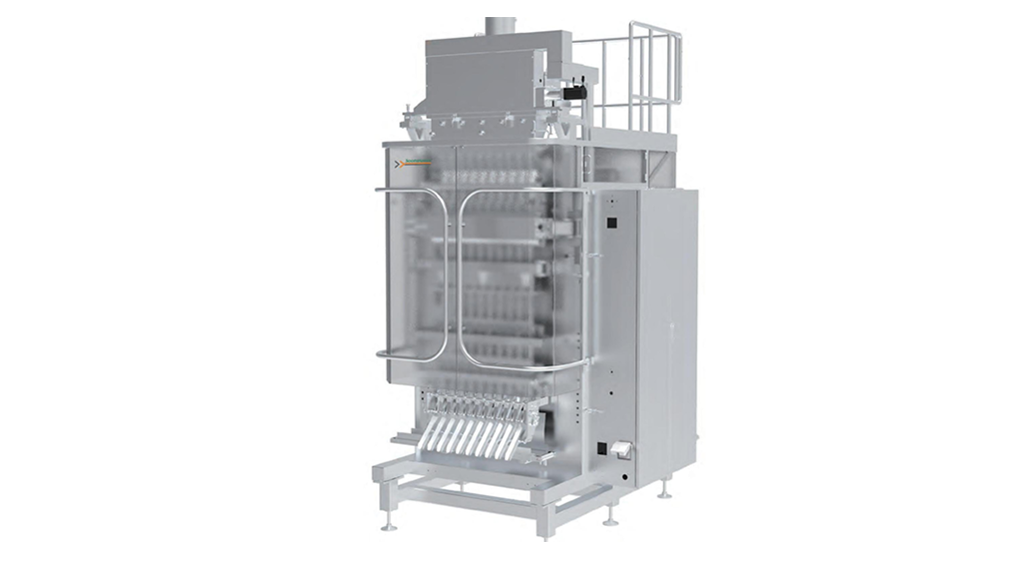
Vertical Packing
Vertical sealing servo, heat sealing servo
cold sealing servo, cutter servo
DKXL-650
Precision weighing or multi-head scales ensure consistent bag weight, with quality sensors enhancing packaging accuracy.
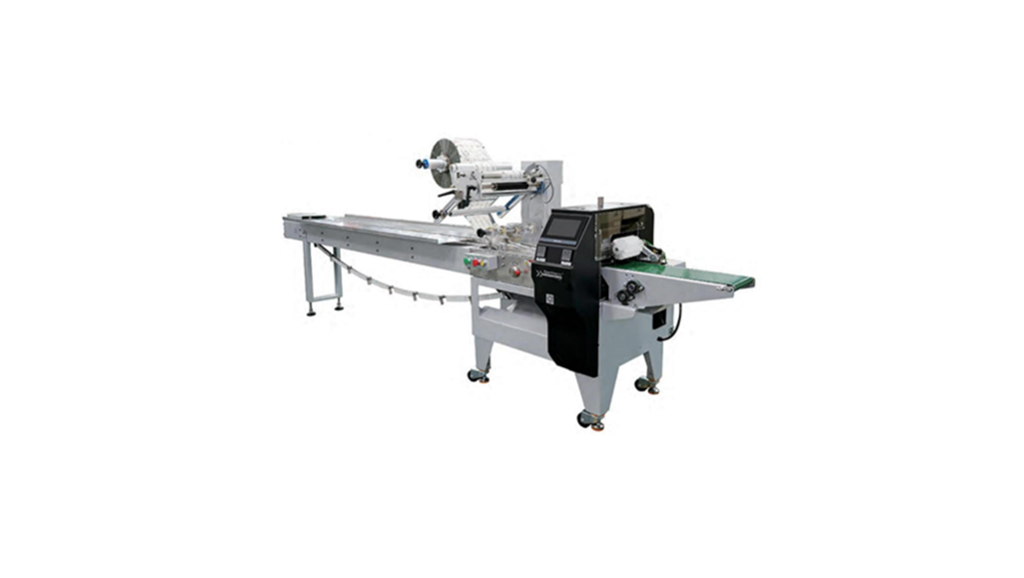
WP20
Automatically complete the processes of bag making, measuring, filling, sealing, bag cutting, etc., greatly improving the packaging speed.
Save 70% Of Labor Costs
The cost of labour has been rising year after year, and this is one of the biggest pain points for small and medium-sized enterprises. The most direct path to improving ROI is to move to advanced packaging machinery. To put it bluntly, automation allows one operator to mark an entire line, a task that previously might have required five to seven people.
When you achieve up to 70% labor cost reduction, the money you save can be invested in product development or marketing. While the “initial investment” in the modular system looks significant, once you factor in the labor savings and eliminate human error in the packaging process, the bill can quickly turn from loss to profit.
Versatility Through PLC Control And Modular Design
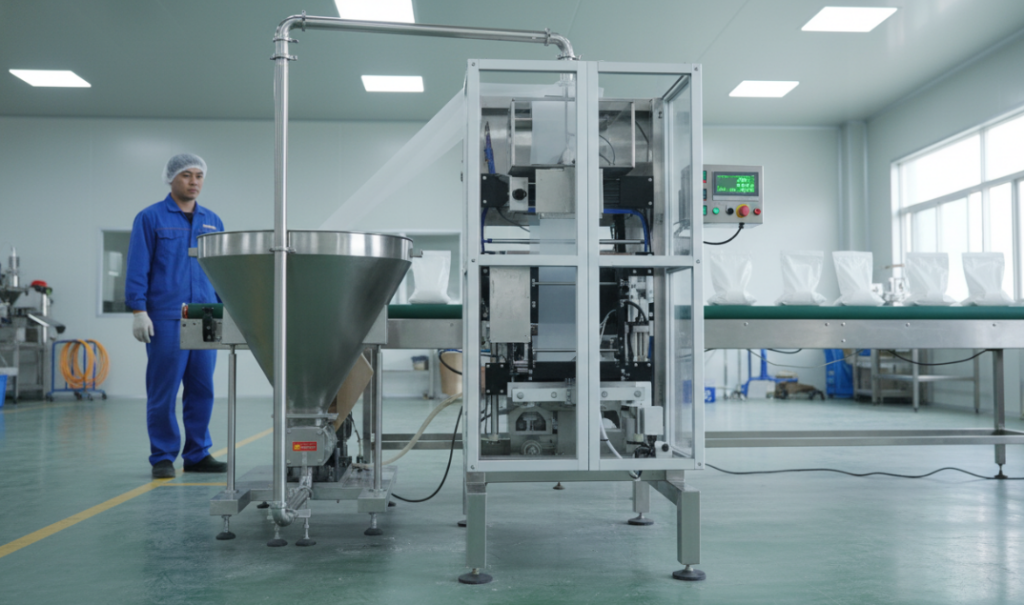
Nowadays, food and beverage brands often have an astonishing number of SKUs (product types) in their hands. A professional packaging configuration must be sufficient “smooth” to handle a variety of situations:
- Different viscosities: from water-like juices and oils to high-viscosity pastes and sauces.
- A variety of containers: round bottles, square jars, or those weird custom bottle shapes.
It all depends on that good PLC (Programmable Logic Controller) system. With the digital interface, the operator can complete the change of production in a very short downtime with just a few clicks. This flexibility ensures that your machines do not become scrap metal when upgrading your future product line, providing the scalability your business needs to grow.
Precise Sealing And Coding
The last step of the packaging process directly determines the life of the product. High-end packaging machinery ensures an airtight seal, the first line of defense against corrosion and oxidation. Add to that the precise spray code (batch number and expiration date) and you have full traceability.
Pick a set of this “turnkey” whole-line solution, stare at these technical details, and you can solve the old problem of the industry “unstable packaging quality”. Every bottle and can looks exactly the same when it leaves the factory. This is the most professional and safe message to convey to consumers.
Author: Mike Chen
“Hi, with years of hands-on experience in managing large-scale packaging projects, I specialize in helping food and beverage SMEs bridge the gap between initial investment and long-term operational excellence. I’ve seen firsthand how the right integration of filling, capping, and labeling can transform a business I believe that professional-grade automation is the ultimate shortcut to sustainable growth in the modern F&B industry.”
