
 Soonqian
Food-Safe Packaging Machinery
For decision-makers in food production companies, choosing a food-safe packaging machine is not just about how fast the machine runs; it is actually a strategic investment that concerns the overall situation. You are not buying a machine, but a safety ecosystem that covers hygienic design, material integrity, and regulatory compliance. A truly up-to-date system must be topped with 304 or 316L stainless steel to be corrosion-resistant; and its sanitary engineering is designed to completely eliminate those “dead spots” where bacteria can easily grow. It has to stick to the FDA, EHEDG, or 3-A standards, use that bisphenol A -free food-grade contact material, and have IP69K-rated components that can withstand high-pressure, high-temperature flushing. By integrating HACCP-compliant features and automated online cleaning capabilities, high-quality packaging equipment can minimize the risk of cross-contamination, handle microbial control, and protect your brand from the devastating costs of recalls while optimizing long-term operational efficiency.
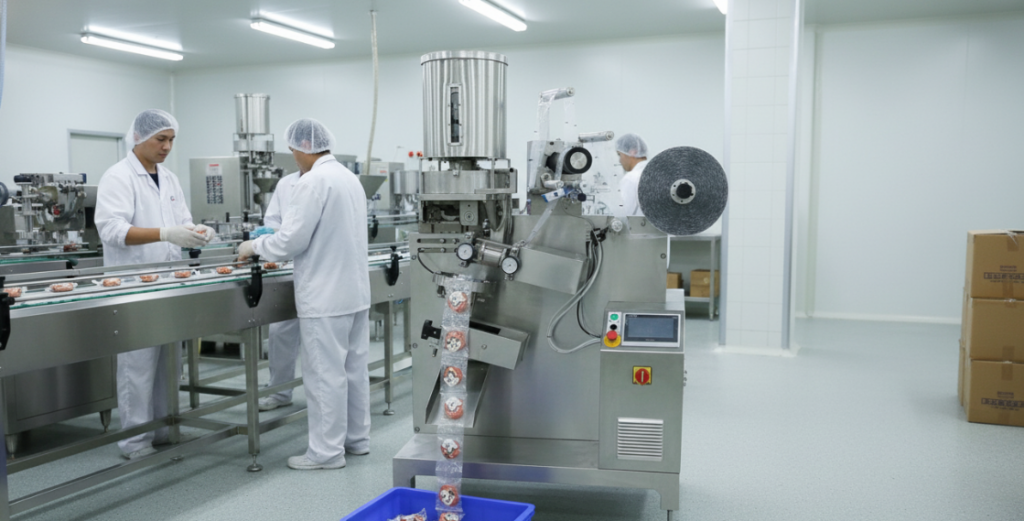
Material Integrity
The core of any food-safe packaging machinery is actually metallurgical technology. In the production workshop, the equipment has to deal with various organic acids, fats and those extremely strong chemical cleaning agents all day long.
304 or 316L Stainless Steel: While 304 is currently standard in the industry, if your product is high in salt or acidic, I definitely recommend going straight to 316L. It has a higher molybdenum content and more stable anti-pitting and corrosion properties.
Bisphenol A-free food-grade plastics: In addition to metal frames, parts that directly contact the product, such as seals, gaskets, and conveyor belts, must be made of FDA-approved polymers. This ensures that the machine does not chemically migrate when it comes into contact with food, maintaining the purity required for consumer safety.
Advanced Sanitary Engineering
Zero-Pocket Design: The engineering design must ensure that there are no sharp interior corners, exposed threads or hollow frames. These places are notorious hiding places for pathogenic bacteria such as Listeria and Salmonella.
Self-draining surfaces: All horizontal surfaces must be made into slopes to ensure that both product residues and cleaning water flow cleanly, and there must be no chance of water accumulation in the biofilm.
Weld integrity: That professionally polished continuous weld is a must. I often tell my clients that even tiny cracks that are invisible to the naked eye can become a haven for bacteria.
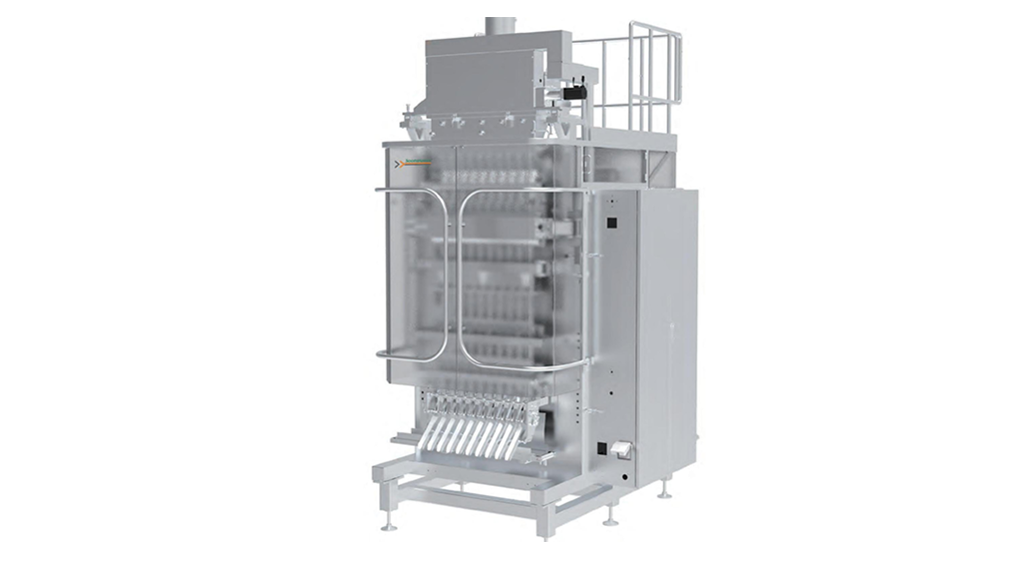
Vertical Packing
Vertical sealing servo, heat sealing servo
cold sealing servo, cutter servo
DKXL-650
Precision weighing or multi-head scales ensure consistent bag weight, with quality sensors enhancing packaging accuracy.
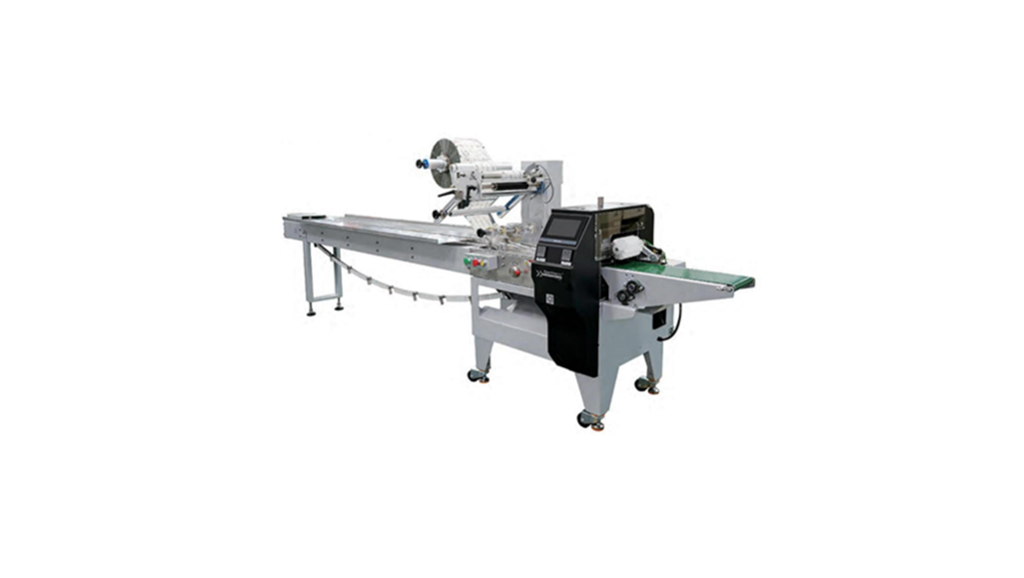
WP20
Automatically complete the processes of bag making, measuring, filling, sealing, bag cutting, etc., greatly improving the packaging speed.
Strict Regulatory Compliance And Certification
How to avoid pitfalls in the complex global regulatory environment is the biggest headache for managers. Choose the right food-safe packaging machine, which must be able to cover and back up your factory certification.
Integration of FDA and HACCP: The machine is designed so that you can run the HACCP (Hazard Analysis and Critical Control Points) protocol. The equipment must have integrated sensor and data recording functions, which can monitor key safety parameters in real time during the packaging process to ensure that every batch of goods can pass the safety red line.
Durability In Harsh Cleaning Environments
To maintain a sterile environment, the packaging line undergoes a high-intensity cleaning cycle. That ordinary machine is basically useless in the face of pressure flushing.
IP69K Protection: A true food-safe packaging machine uses an IP69K-rated housing, which means its electronics are tightly sealed, even with a high pressure of 1450 psi and a high temperature water column of 80°C rushing straight through.
Automatic In-Line Cleaning: To achieve so-called “operational excellence”, today’s systems often integrate automatic CIP and SIP modules. This way you don’t have to struggle to manually disassemble those complex filling or metering units, which reduces the risk of secondary contamination caused by human operations and saves a lot of downtime.
Maintaining Brand Reputation Through Pollution Control
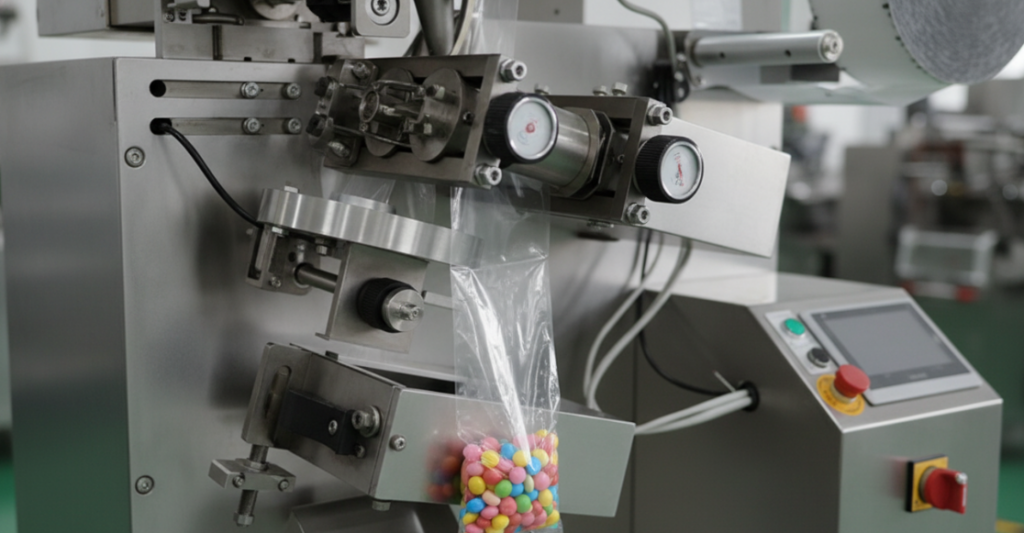
The ultimate goal of investing money in this high-end food-safe packaging machinery is to hedge risk. Even a single pollution incident can lead to catastrophic product recalls and irreparable brand loss.
If you give priority to equipment that does a better job of microbial control and cross-contamination prevention, the stability of production quality is guaranteed. In addition, suppliers like Soonqian do go quite far in this area of technology, and their equipment balances high-speed efficiency with the rigid hygiene requirements of the food industry.
Author: David Chen
I focus on helping food production managers transition from basic hardware to high-performance food-safe packaging machinery that ensures microbial control and long-term operational peace of mind. My goal is to bridge the gap between engineering excellence and consumer safety.
