 Soonqian
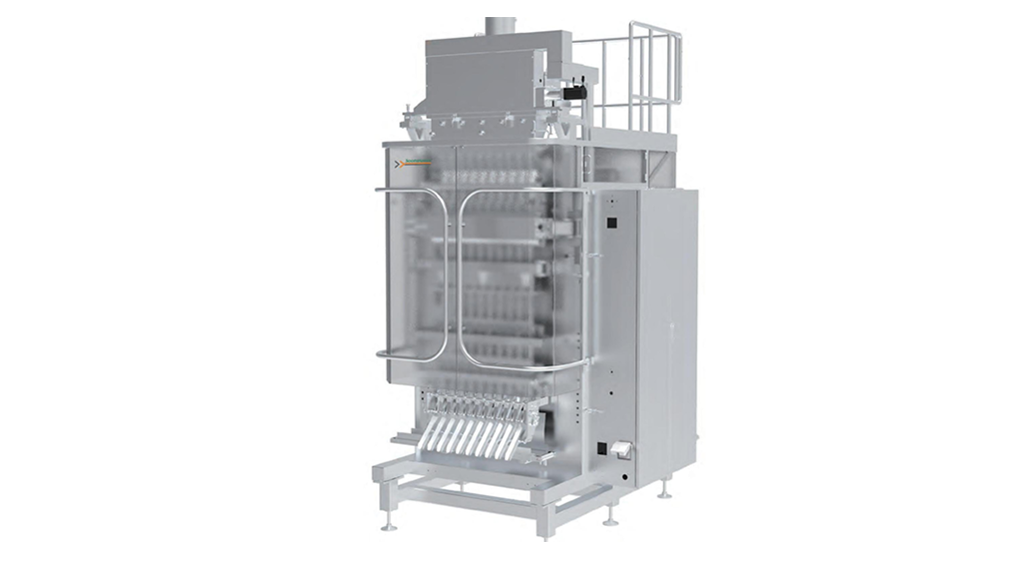
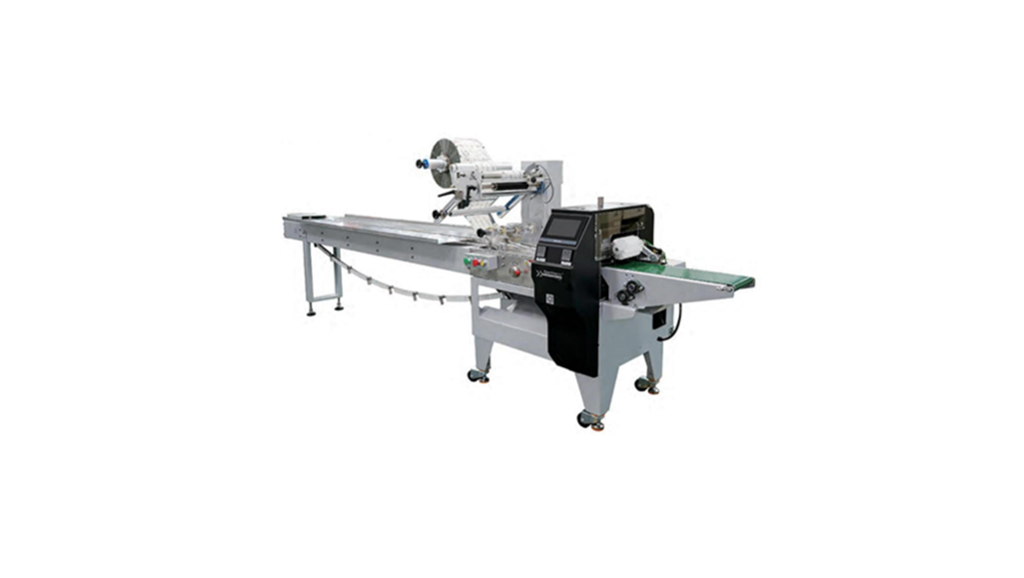
Introduction to Rolling Packing Machine
59Learn what a rolling packing machine is, its working principle, key features, and applications in modern packaging.
View details
Search the whole station
Strapping machine is a specialized systems for industrial packaging, where the core task is to wrap, tighten and seal plastic or steel straps around the product or pallet to ensure that the goods are in transit. In the process of planning the production line for the enterprise, I have found that for the purchasing supervisor or operation manager, this machine is not only a piece of equipment, but also a core investment in end packaging automation, which directly replaces the inefficient and different standards of manual strapping. The working principle of these machines is simple but delicate: PP tape, PET tape or steel tape is used to bypass the target and a high-strength connection is achieved by hot melt or friction welding through a precision-designed sealing head. Once you introduce a semi-automatic or fully automatic strapping system into your workflow, you save not only material waste and labor costs, it significantly reduces the risk of cargo damage, which is the only way to improve warehouse throughput and overall operational ROI (return on investment) in the long run.
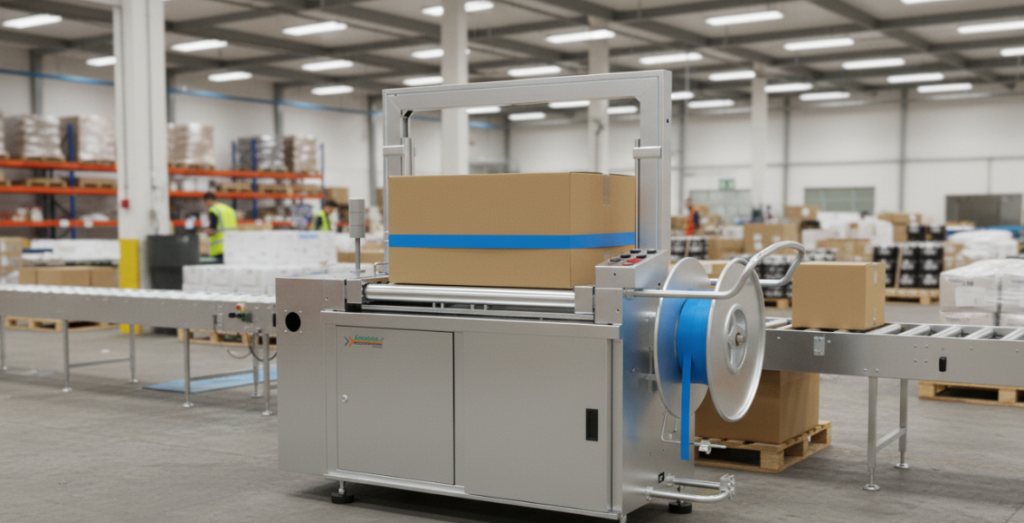
From simple hand tools to upgrade to special strapping machine, the core driving force is actually “precision” 2 word. Manual operation is often difficult to do the same every time, the machine can perform the 3 key action perfectly:
Vertical sealing servo, heat sealing servo
cold sealing servo, cutter servo
Precision weighing or multi-head scales ensure consistent bag weight, with quality sensors enhancing packaging accuracy.
Automatically complete the processes of bag making, measuring, filling, sealing, bag cutting, etc., greatly improving the packaging speed.
For decision makers, which model to choose directly determines the throughput limit of your warehouse:
In addition to figuring out “what it is”, I think managers should pay more attention to the strategic significance behind this investment. The increase in ROI comes mainly from the 3 pillar:
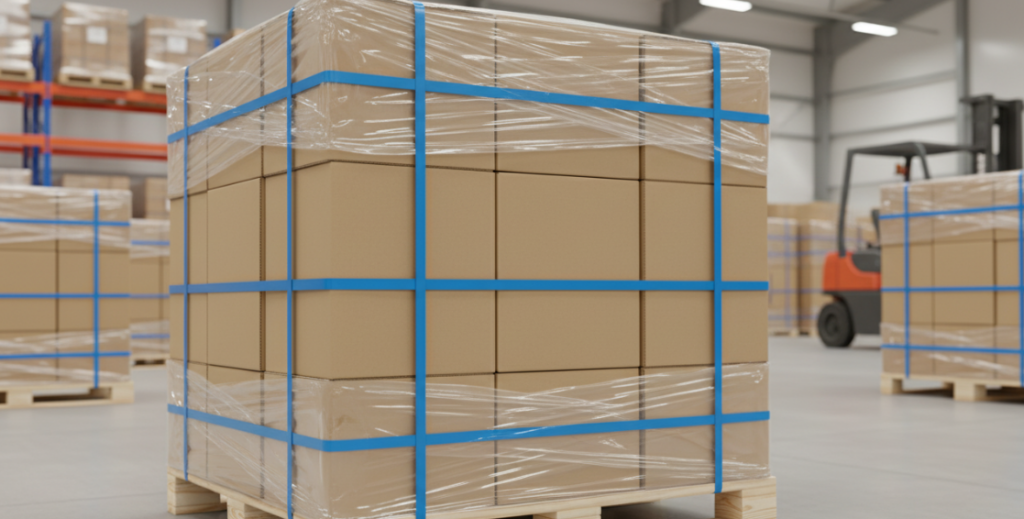
When considering upgrading your packaging line, the strapping machine is often the most logical and self-consistent first step. It brings not only speed, but also a standardized professional presentation.
Author: Robert Miller
My career has been defined by helping manufacturers and logistics providers transition from inconsistent manual bundling to high-speed, automated systems. Having audited hundreds of production lines, I don’t just look at the hardware; I focus on the synergy between machine precision and operational ROI.

Learn what a rolling packing machine is, its working principle, key features, and applications in modern packaging.
View details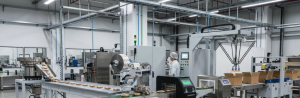
Master 4 Key Steps To Diagnose Packaging Machine Failures, Reduce Downtime, And Boost Your Production Line’S OEE.
View details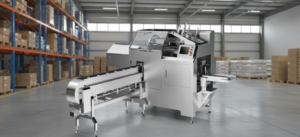
Master Vacuum Packaging Logic To Extend Shelf Life, Prevent Oxidation, And Boost Your Food Brand’S Profitability.
View details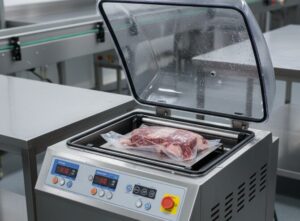
Learn How A Vacuum Packing Machine Works By Removing Air And Heat Sealing Via Placement, Extraction, And Sealing Steps.
View details