
 Soonqian
Hot Melt Strapping Machine
Choosing a high-performance hot melt strapping machine is by no means just a tool, but a strategic investment that concerns the overall situation. Whether this investment can be repaid mainly depends on three core dimensions: the stability of sealing strength, long-term operational ROI, and the integration of equipment and production line. Professional industrial-grade hot melting systems have long eliminated the time-consuming and labor-intensive metal buckle packing method that requires manual operation, and instead use sophisticated heating elements to fuse PP or PET baling tapes at the molecular level. This process can ensure extremely high tensile strength. Even if it undergoes high-intensity long-distance logistics transportation, the heavy goods on the pallet can be as stable as Mount Tai. From a financial perspective, choosing the right fully automatic or semi-automatic machine that moves cleanly and does not drop the chain can directly eliminate the bottleneck in the packaging process. With high-precision hot-melt cutting technology, material loss can be reduced by almost 25%. Coupled with the support of wear-resistant parts, annual maintenance expenses will also be significantly reduced. By prioritizing equipment with adjustable tension and high sealing efficiency, companies can not only shorten the payback period but also make the entire packaging process look more professional.
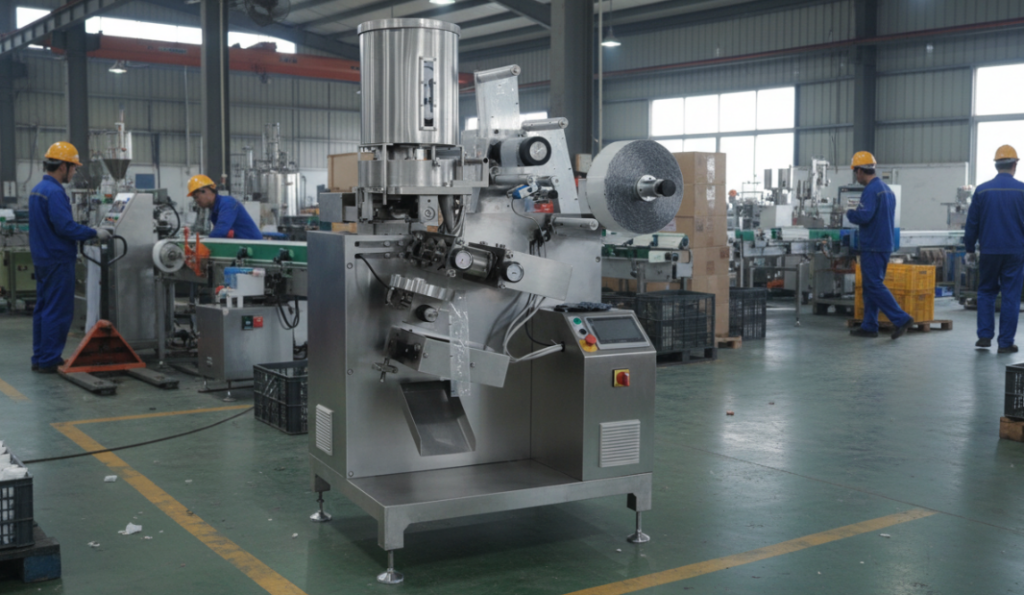
Ensures Unmatched Closure Stability
Ensures unmatched closure stability. The plant manager’s primary concern is always the integrity of the goods during transportation. The most common pain points encountered in the traditional manual strapping method are slipping of the metal buckle or uneven tension of the strapping belt. Molecular-level fusion brought about by hot melt heating: completely different from mechanical friction heating or the physical bite of metal buckles, high-quality hot melt balers rely on heating plates with extremely precise temperature control. The strength of this fusion point can reach almost 80% of the strength of the baled tape substrate, and the stability is extremely high. Super tensile resistance under heavy loads: Whether you’re packing bulky building materials or precision electronics on a pallet, the consistency of the hot melt seal ensures consistent tensile strength. This avoids the “loosening” risk common in manual operations, ensuring that the goods remain secure throughout the supply chain. Optimization of the adaptation of PP and PET strips: These machines are specially designed for the thermophysical properties of PP and PET strips. They can achieve clean and neat welding every time without basically affecting the plastic residue of the equipment operation.
Maximize Long-term Operating Returns
Maximize long-term operating returns. From the perspective of the boss or finances, upgrading the packaging method to a semi-automatic or fully automatic hot melt system is actually a game of reducing costs and increasing efficiency. Eliminate efficiency bottlenecks through rapid circulation: every second is real money in a high-volume production environment. Professional balers have extremely fast cycle speeds, and the hourly packaging processing volume far exceeds that of traditional methods. This efficiency improvement can directly solve the chronic problem of packaging lines “traffic jams”. 25% reduction in material waste: Manual packing tends to leave a long “tail”, which is wasted over the years. And precise hot melt control can use the packing belt on the edge of the knife. If the production line ran around the clock, the material costs saved alone would be enough to support the daily maintenance of the machine. Durability determines low maintenance costs: For industrial-grade machines like the one Soonqian recommends to customers, key components are reinforced and wear-resistant. As long as the heating elements and tension assemblies are not prone to breaking, the plant does not need frequent downtime for repairs, and annual operating costs naturally come down.
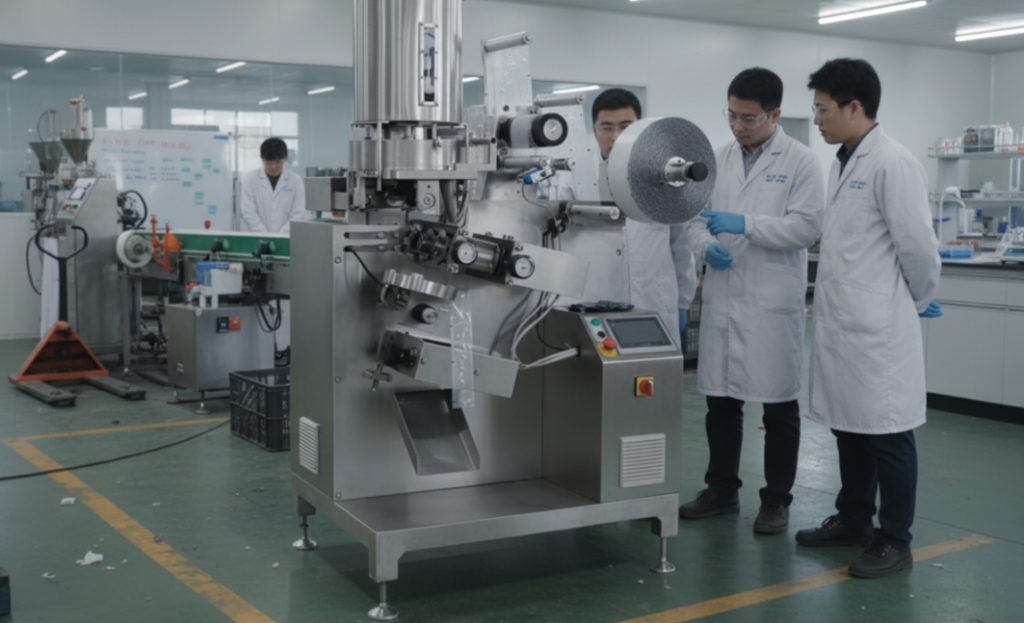
Seamless Connection Between Production Line Integration And Workflow
Seamless connection between production line integration and workflow. Equipment is not an asset but a liability if it is not well integrated into existing packaging processes. Multifunctional tension adjustment: Different products have different requirements on packing force. Modern hot melt machines are equipped with tension adjustment function, which the operator can switch with one click, which can handle heavy pallets and lightweight cartons without strangling the inner packaging. Safety and brand professionalism: The metal buckles with burrs were removed, and the workshop workers’ operation safety went directly to a step. Moreover, flat, beautiful hot-melt solder joints give customers a more advanced feel, a detail that often reflects a brand’s rigorous approach to product delivery. Extended flexibility for automation: Whether you start with a flexible semi-automatic model or go straight to a fully automated pipeline, these devices are designed with compatibility in mind from the outset. This means that when you double the size of your production, the existing packaging logic can scale smoothly without having to do it over and over again.
Author: Robert Chen
Throughout my career, I’ve overseen the transition from manual labor to high-speed automation for hundreds of factories. I specialize in identifying industrial equipment that balances technical durability with long-term financial ROI. This article is to provide honest, data-driven insights that help factory managers build safer, more efficient, and professional production lines.
