
 Soonqian
What Are The Steps Of For Installing A Package Machine
The first step is site preparation and unpacking, you have to verify the load-bearing capacity of the field and check whether there is any transportation damage; the second step is physical positioning and leveling, you have to use a precision level to suppress centrifugal vibration; the third step is conveyor belt, forming cylinder, Mechanical assembly of auxiliary components such as the sealing knife; the fourth step is the wiring of the electronic control cabinet and the connection of the pneumatic system. Voltage matching and drying stability of compressed air are hard indicators; the fifth step is the calibration of the PLC controller and sensor, which is to align the mechanical timing and film removal accuracy; the sixth step is the empty machine test run Verify logic without adding material; finally, debug with real material, fine-tuning sealing temperature and cutting accuracy under real load. This order is the only way to maximize the performance of high-yield devices and minimize those annoying premature wear and tear.
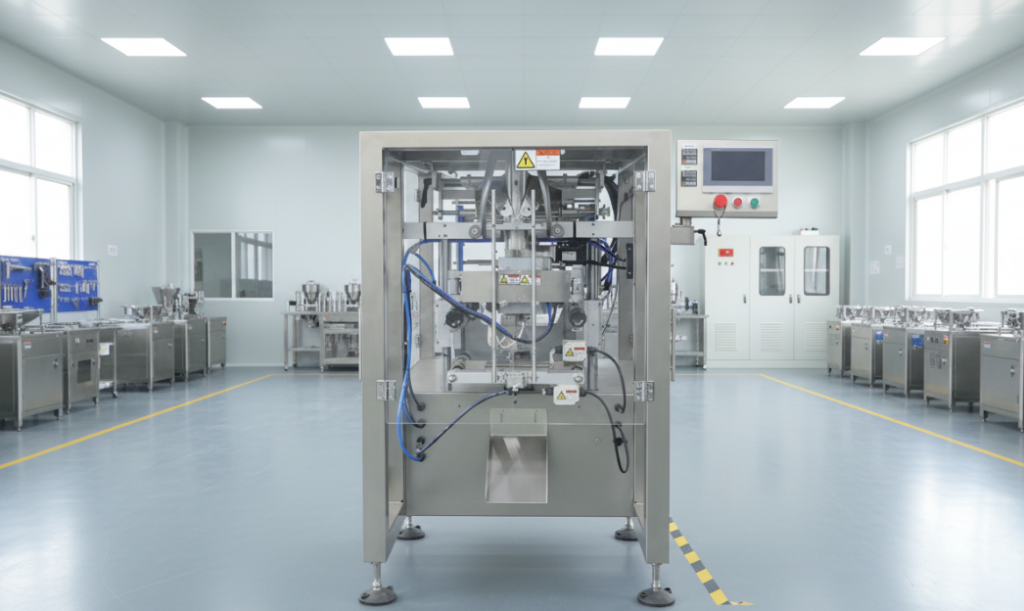
Site Preparation And Unpacking
The preparation of the site is the first priority before the machines are brought to the factory. You have to make sure there is enough room for maneuver in the installation area, not only for easy operation now, but also so that your hands and feet can be deployed during future repairs.
Ground load-bearing verification: Packaging machines today are very heavy, and the floor must be reinforced, or at least able to withstand the dynamic and static pressure when the machine is running.
Unpacking inspection: After the goods arrive, unpack them carefully. Check carefully for dings and run through the sensors, tools, and spare parts against the packing slip. If a sensor is missing, the entire construction period will be slowed down.
Physical Positioning And Leveling
After the machine is pushed to the designated position, whether it is stable or not is the core problem.
Precision leveling: This is not negotiable and a high-precision level must be used. Even if the machine is tilted by that little bit, the whole machine will shake to panic under the centrifugal force generated by high-yield operation.
Long-term stability: The leveling is done so that the mechanical load can be evenly distributed on the frame so that the bearings and motors will not be inexplicably scrapped early.
Mechanical Component Assembly
Once the main frame is stable, the installation of the auxiliary systems that determine the specific functions of the machine begins.
Conveyor system: Align the feed and discharge conveyor belts to ensure that the product can slide smoothly through.
Forming cylinder and sealing knife: For vertical packaging machines, the forming cylinder must be adjusted to the center. When installing the sealing knife, make sure the pressure is even, otherwise the rear sealing will leak enough air for you.
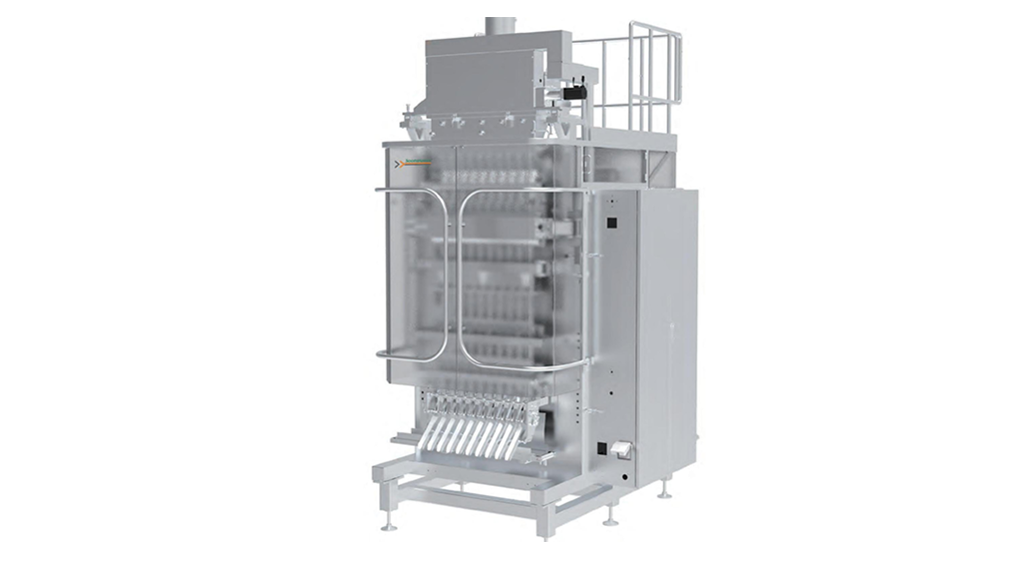
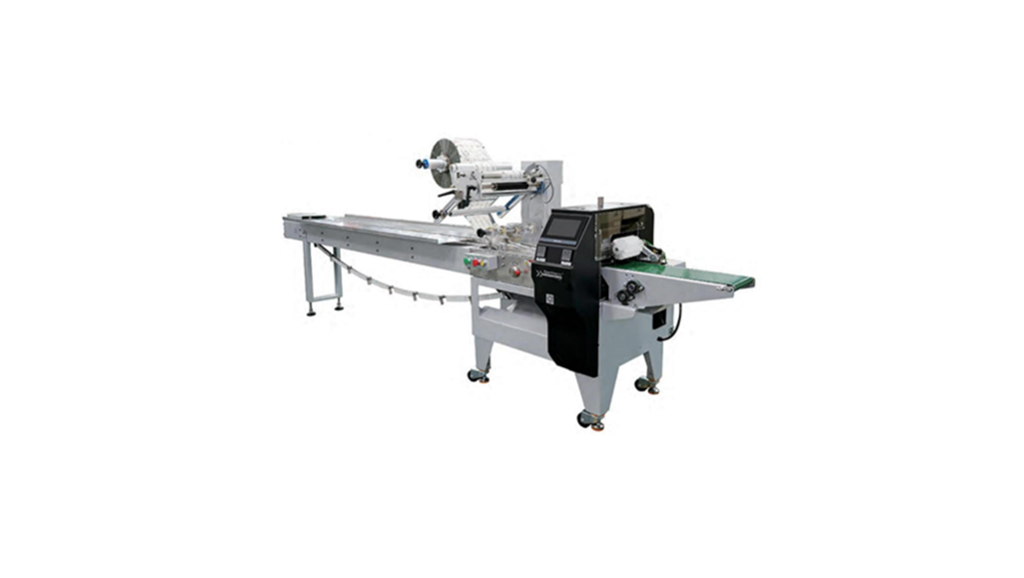
Vertical Packing
Vertical sealing servo, heat sealing servo
cold sealing servo, cutter servo
DKXL-650
Precision weighing or multi-head scales ensure consistent bag weight, with quality sensors enhancing packaging accuracy.
WP20
Automatically complete the processes of bag making, measuring, filling, sealing, bag cutting, etc., greatly improving the packaging speed.
Circuit Wiring And Pneumatic Connection
Power requirements: Look at the voltage in the factory to see if it is consistent with the machine specifications. The voltage is wrong, burning off the PLC board or motor is a matter of minutes.
Pneumatic system: Connect the air compressor. The compressed air must be dry. If there is condensation in the air, the solenoid valve will get stuck or rust after a short time.
PLC Controller And Sensor Calibration
The “brain” of the machine needs precise tuning before processing the actual material.
Timing synchronization: Calibrate the PLC to ensure that the rhythm of the movements between the film feed, filler pump and sealing knife is completely in tune.
Film removal accuracy: Adjust the electric eye. These sensors must be able to keep a firm eye on the “color scale” on the packaging film to ensure that the length of the bag is exactly the same every time the machine cuts the bag.
Try Run
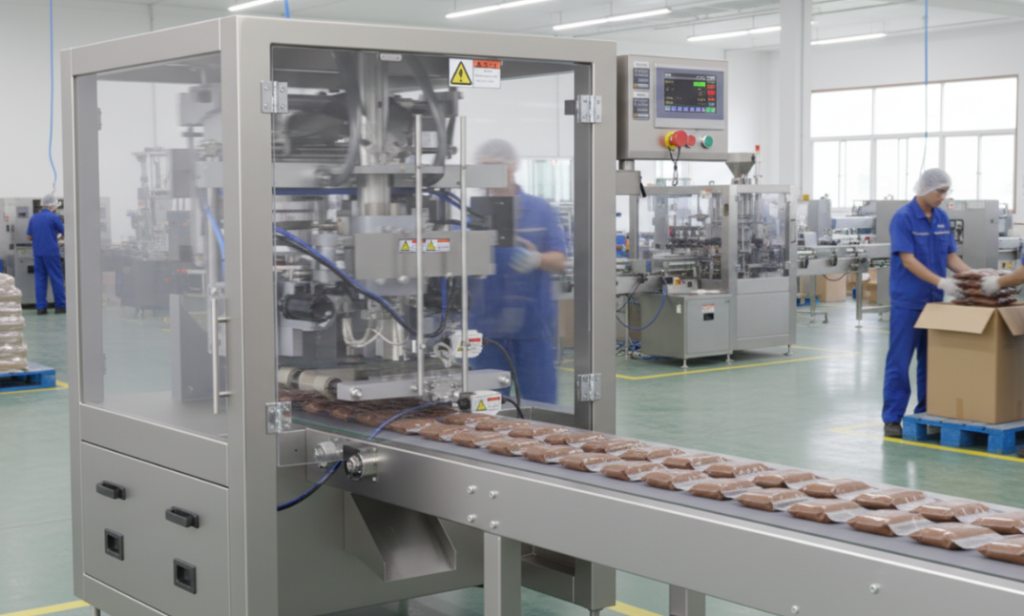
Don’t fill up right away. The empty aircraft test is a “zero pressure” logical verification process.
Logic Verification: Have the machine run several cycles without product and without membrane.
Safety Check: Stare at the movements of the robotic arm and closure assembly. At this time, listen to whether there are any strange noises and see if there is any mechanical interference. This is much better to solve than problems during formal production.
Material Debugging
The final step is “real-world”, testing with actual products and packaging materials.
Fine-tuning: At this stage, the technician needs to break in the sealing temperature according to the actual thickness of the film and adjust the cutting precision.
Real load: At this time, the pressing speed will start. As the speed increases, you can see whether the seal is stable and the weighing is accurate.
Author: Alex Zhang
I have overseen the installation and optimization of hundreds of automated production lines across various industries. My philosophy is simple: a machine is only as good as its installation. I specialize in bridging the gap between complex mechanical engineering and real-world operational efficiency. I am passionate about sharing technical insights that help manufacturers minimize downtime and achieve long-term equipment reliability from day one.
