
 Soonqian
Strapping Machine Troubleshooting
In fact, most of the failures are not that complicated, so there is no need to dismantle and unload them at the beginning. Usually, just follow these four steps and you will be able to resume production soon.
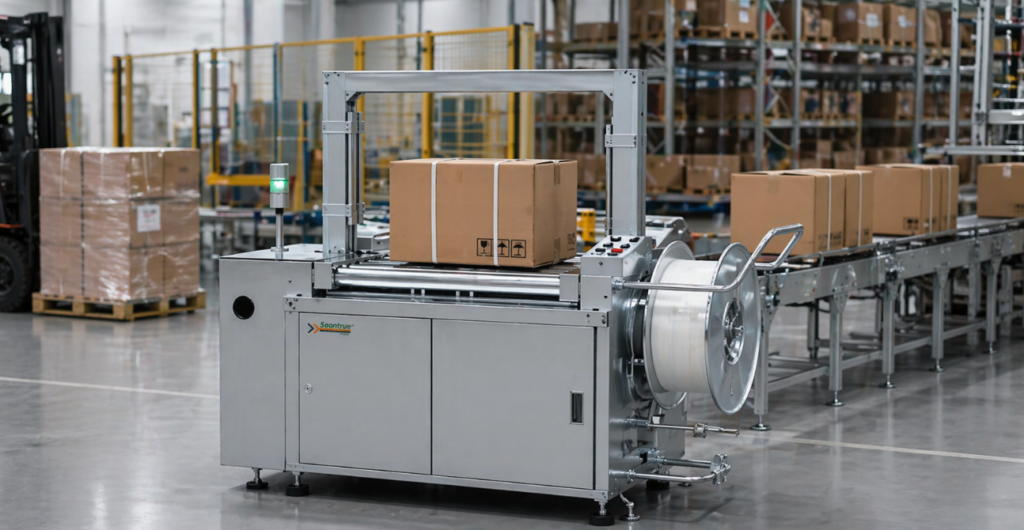
Step 1: Clean Up The Cartridges And Debris
Most of industrial strapping machines have problems because they are physically clogged. Whether you use a fully automatic assembly line or a small semi-automatic machine, the feed pulley and guide rail will always be “the hardest hit area”.
- Staring at the feed pulley: PP or PET tape will definitely produce plastic powder after rubbing for a long time. Once this powder accumulates, the wheels slip and the straps naturally cannot be delivered.
- Clean up the debris: Check the frame and internal tracks. Sometimes even a small section of broken tape can cause the sensor to report an error, directly causing the entire line to stop working.
- Advice: Develop a habit and regularly blow compressed air into the ribbon channel to block at least 80% of the tape trouble.
Step 2: Fix The Sealing And Heating Issues
If the machine moves correctly but the strap just won’t stick, it’s definitely the closure assembly. This “false welding” is very risky and can have serious consequences if the cargo falls apart during transportation.
- Cleaning the heating plate: Under normal circumstances, the heating plate should be a bright metallic color. If there is a layer of black tar stuck to it, the heat will not pass through. Wait for the machine to cool down, rub it with fine sandpaper or a special brush.
- Temperature calibration: Don’t expect one temperature to go anywhere. The melting point of PP tape and PET tape are different, and the thickness must be adjusted. Change the straps and remember to fine-tune the temperature knob.
- Cooldown: If the strap breaks down immediately after bonding “disintegrates”, the cooldown is usually too short. Turn up the timer slightly to allow the plastic to solidify completely under pressure.
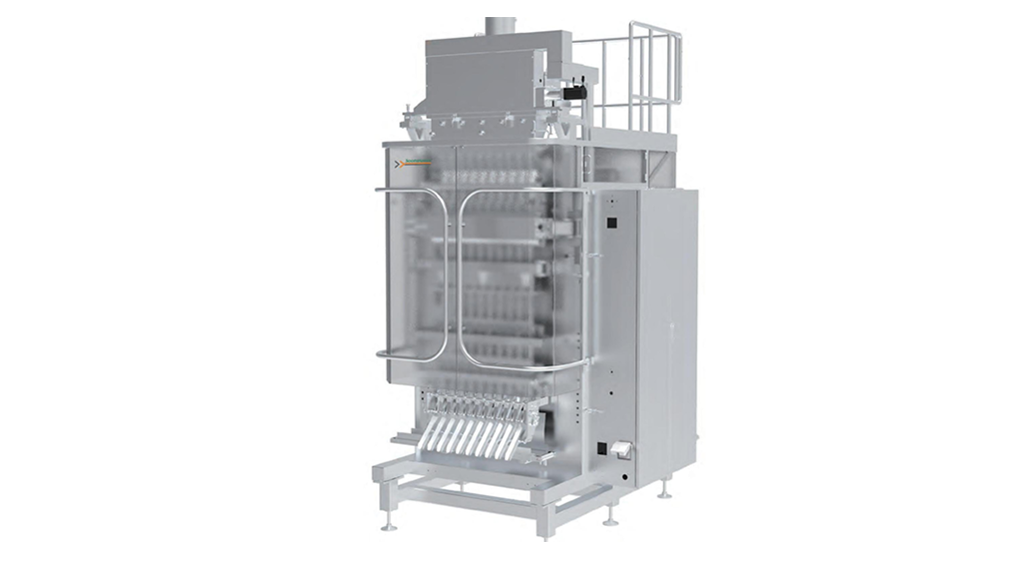
Vertical Packing
Vertical sealing servo, heat sealing servo
cold sealing servo, cutter servo
DKXL-650
Precision weighing or multi-head scales ensure consistent bag weight, with quality sensors enhancing packaging accuracy.
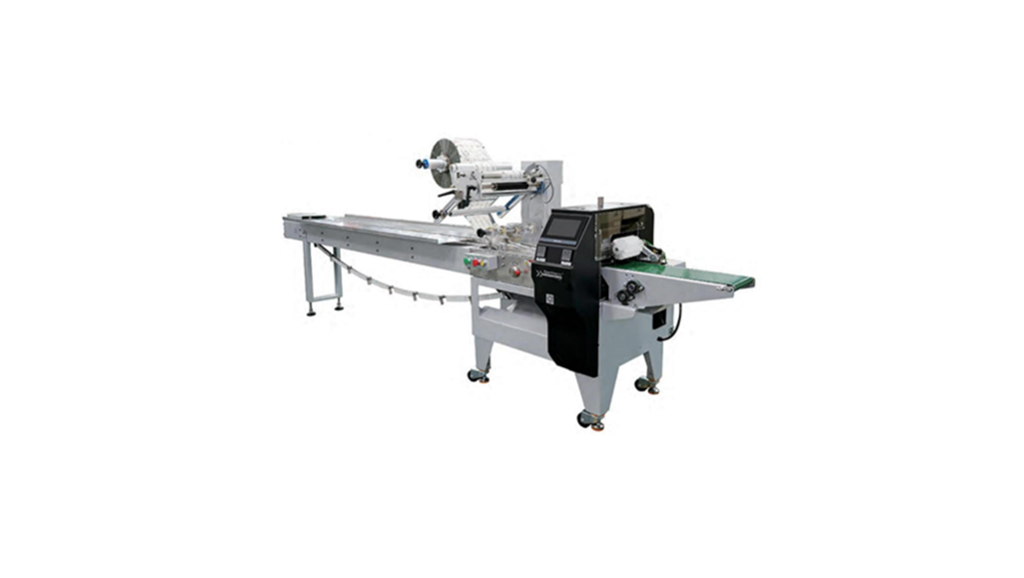
WP20
Automatically complete the processes of bag making, measuring, filling, sealing, bag cutting, etc., greatly improving the packaging speed.
Step 3: Address Insufficient Tension Or Inadequate Feed
Whether the tension is stable or not directly affects the packaging quality. If you find that the machine always feeds the belt “by a bit”, or it can’t be tightened, you have to look at these mechanical parts:
- Pull knob: First see if someone accidentally touched the knob, or if the pull is set too high for the current packaging size.
- Limit Switch Check: The limit switch signals the motor to tell it when to stop. If this thing is worn or displaced, the belt feed length will fluctuate.
- Motor Status: Listen for that harsh grinding sound. If the drive motor is dying, it won’t provide the kind of torque you need for heavy-duty packing.
Step 4: System Restart And PCB Board Diagnosis
Current machines, such as Soontrue, have more advanced designs and are equipped with PCB motherboards for real-time monitoring.
- Error code: Look at the display first. The error code is not a decoration; it can directly tell you which sensor or motor is on strike.
- System reset: Sometimes the machine is just “brain circuit” stuck. Turn off the power, wait 30 seconds and then turn it back on, and many logical errors will disappear on their own.
- Check the wiring: Vibration is high in industrial environments and plugs on circuit boards occasionally come loose. If the error is inexplicable, remember to press the plug-in plug tightly.
Summary
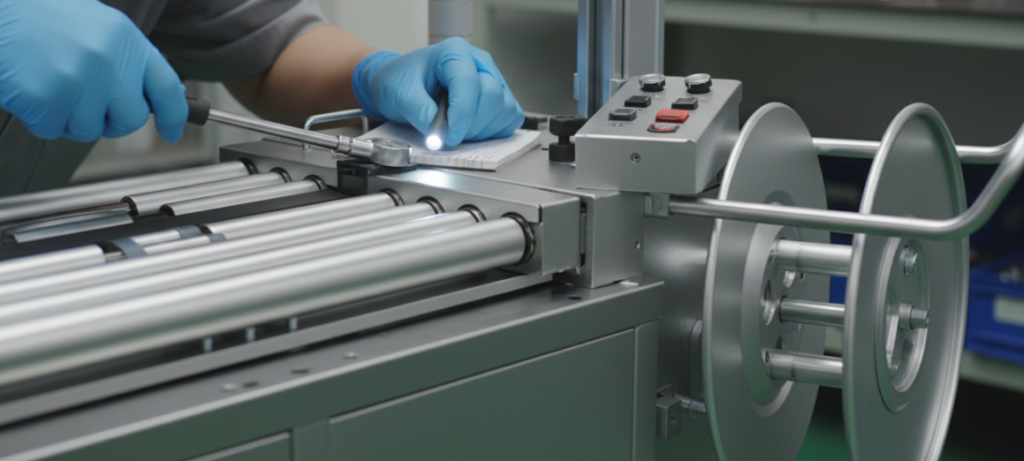
Repairing the machine is after the fact, but in fact, it is more cost-effective to maintain it regularly. It usually takes ten minutes to check the seal alignment and oil the moving parts, but most of the failures can be eliminated in the bud.
To reduce these troubles at the source, it is really important to choose the right machines and consumables. When we designed the Soontrue strapping machine, we specially disassembled the belt and heating components to ensure that everyone could do these four inspection steps as quickly as possible without delaying the production progress.
Author: David Marshall
“Hi, I’m a senior technical consultant with over 11 years of experience in industrial packaging machinery. Throughout my career, I’ve seen countless production lines grind to a halt due to minor mechanical issues. That’s why I’m dedicated to designing equipment that is as easy to maintain as it is powerful. “
