
 Soonqian
Automated Packing Station
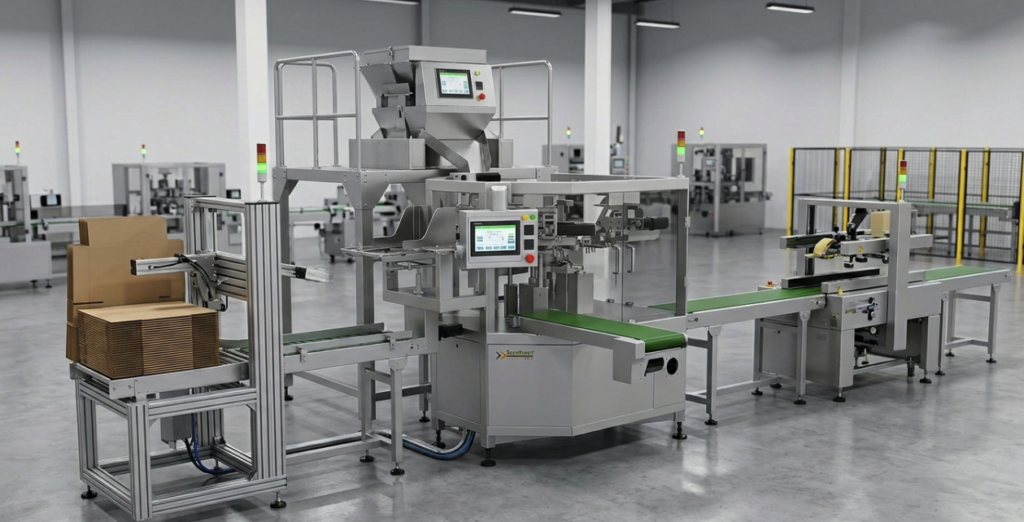
An automated packing station is not a simple stack of several machines, it is a highly modular integrated scheme. Its greatest value to be the complete elimination of the most stubborn bottlenecks in order fulfillment by integrating the previously scattered processes of unboxing, precision weighing, real-time volume measurement, automatic labeling, and box sealing into a synchronized workflow. For warehouse supervisors facing recruitment difficulties, soaring operating costs or unstable output, this system replaces error-prone manual operations with high-throughput mechanical reliability and can seamlessly connect with existing WMS (warehouse management system) or ERP through a “plug-in” interface.
Optimize End-Of-Pipe Workflows
The requirements of modern logistics for processes are not only “fast”, but also the deep integration of multiple processes. Automated packaging stations transform the fragmented manual tasks of the past into unified high-speed operations. Starting from the carton forming, combined with precise dynamic weighing and real-time volume measurement, the system can ensure that the information of each package is accurately recorded.
After the measurement phase, the integrated module will directly perform automatic labeling and reinforcement sealing. This synchrony best avoids the “stop-and-go” delays common with traditional hand-made lines. Once a product enters the packaging station, it should be directly delivered to the product area without any unnecessary human intervention. This continuity is essential to maintain a stable flow of goods, especially when dealing with SKU’s extremely complex orders.
Addressing Workforce And Reliability Challenges
Hand-packaging is a job that inevitably causes fatigue after working for a long time. Once tired, it is easy to make mistakes, such as crooked labeling or loose sealing of the box. In the end, the returns and customer complaints caused are all real losses.
By introducing this high throughput machinery, companies can effectively hedge against the risk of labor shortages. The packing station is like a tireless “super employee”, providing a steady output both during off-peak and big promotion seasons. In this way, operations managers can deploy limited manpower to more strategically valuable and brain-intensive positions, and hand over these repetitive and high-intensity physical tasks to machines for precise completion.
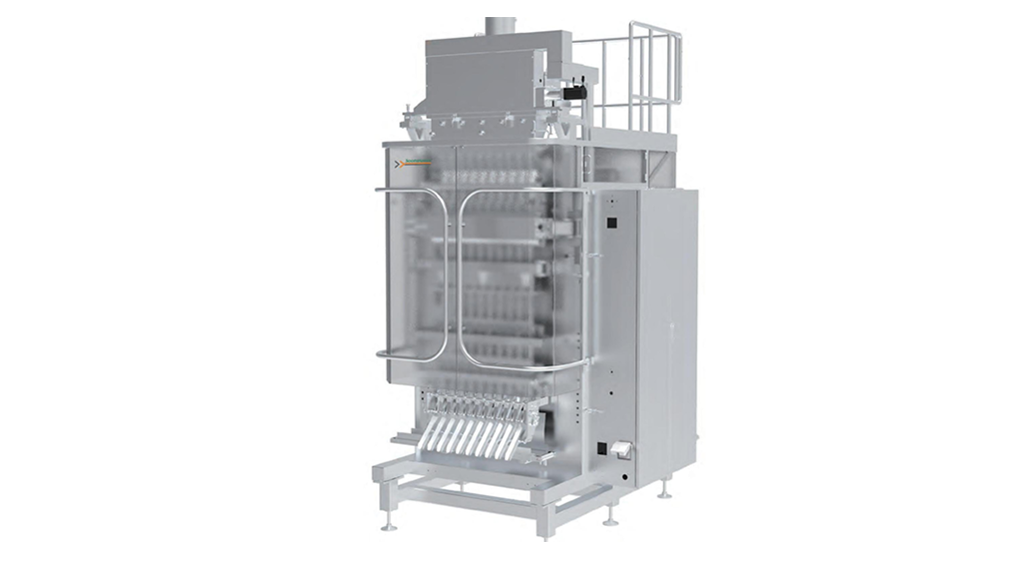
Vertical Packing
Vertical sealing servo, heat sealing servo
cold sealing servo, cutter servo
DKXL-650
Precision weighing or multi-head scales ensure consistent bag weight, with quality sensors enhancing packaging accuracy.
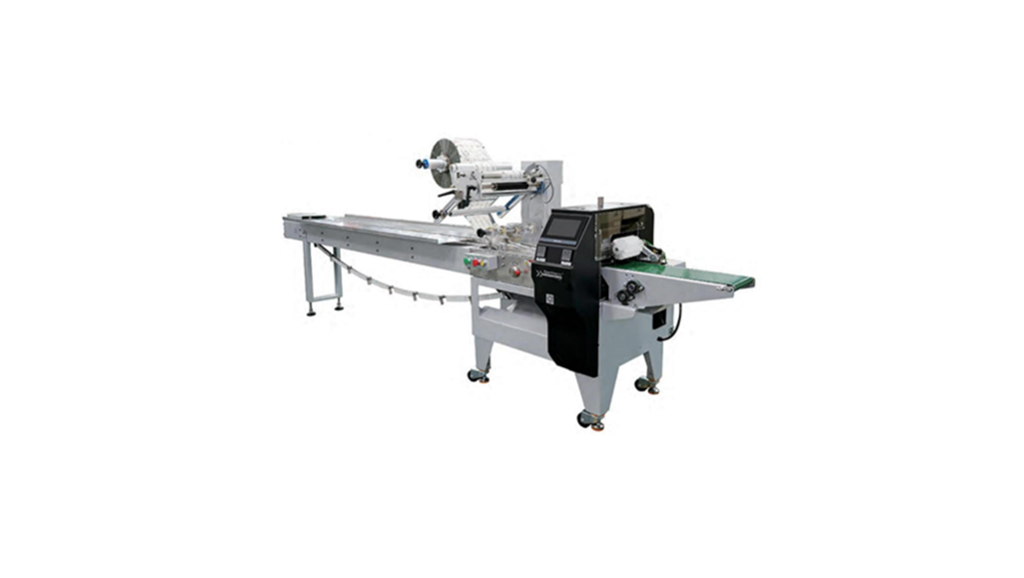
WP20
Automatically complete the processes of bag making, measuring, filling, sealing, bag cutting, etc., greatly improving the packaging speed.
Seamless Integration With Digital Ecology
A fully-fledged automated packaging station must not become “an automated island”, it must be comparable to the overall infrastructure of the warehouse. Bridging physical operations and digital tracking using plug-in interfaces is the core logic.
Whether your warehouse uses a self-developed ERP or a standard WMS, the packaging station can achieve real-time data exchange. This connectivity ensures that weight and volume data can be updated instantly, logistics forms are accurately generated based on real-time demand, and inventory water levels can be automatically deducted. This digital transparency is essential to maintaining supply chain flexibility and also provides management with the real-time visibility they need to make decisions.
Optimizing Spatial Layout And Ergonomics
In many logistics centers, ground space is a scarce resource. The modular and compact design of the automated packaging station allows it to be “stuffed” into the existing layout without the need for extensive warehouse renovations. By combining several scattered machines and manual workbenches into a single unit with a smaller footprint, the warehouse’s space utilization rate can be significantly improved.
Besides space, ergonomics is also a key point that is easily overlooked. Artificial packaging involves a lot of repetitive lifting, bending and reaching movements, which can cause great physical damage to employees in the long term. Automation takes over these most tiring aspects, such as heavy lifting and precise sealing. This not only creates a safer workplace culture, but more importantly, it ensures that the packaging quality of every package is standardized.
Pursuing Peak Performance And Cost-Effectiveness
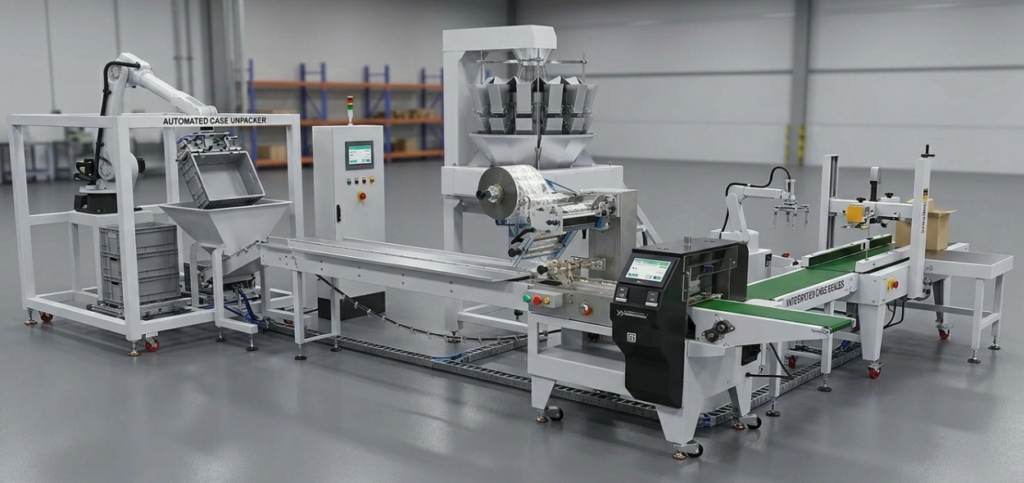
The ultimate goal of end-process optimization is to control the cost of individual packages while catching the traffic when the position is destroyed. During promotional seasons or seasonal peaks, manual lines are difficult to expand quickly and often lead to order backlogs.
Automated packaging stations provide the scalability needed to cope with this demand surge. By reducing artificial contacts and eliminating human error, the overall cost of each package sent out is actually reduced. This efficiency gain does not come at the expense of reliability; rather, it strengthens the entire fulfillment chain, ensuring that every item shipped meets the customer’s expected delivery standards.
Author: Ming Lee
“Hi, with years of hands-on experience in logistics automation and project implementation, I specialize in transforming traditional warehouses into high-efficiency fulfillment centers. I have seen firsthand how manual bottlenecks can stifle growth, which is why I am passionate about integrating modular technology like Automated Packing Stations into modern supply chains. “
