
 Soonqian
Case Packing Automation For Food Packaging Lines
Introducing case packing automation for food packaging lines is the most reliable strategy to solve the extremely troublesome labor shortage and reduce long-term operating costs. Typically, this investment will result in a full return (ROI).
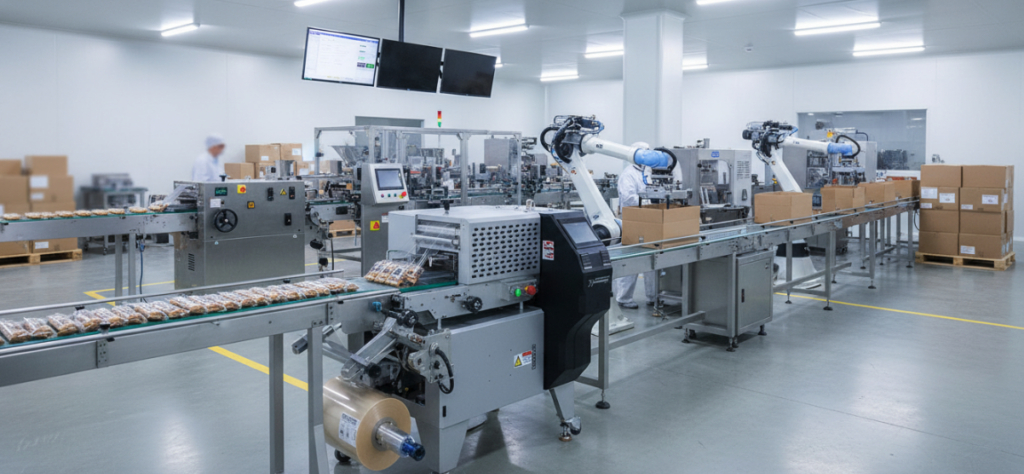
A set of robot packing machines designed to pass the customs can definitely be seamlessly connected with existing front-end packaging equipment (such as pillow packing machines or vertical packaging machines). It can instantly clear the bottlenecks in the back-end packaging. And, now with PLC controlled quick change technology, the system switches between various carton sizes effortlessly, which also guarantees that your equipment investment will not become obsolete in the next few years. In addition, considering the food-grade stainless steel dust and water-resistant design, coupled with extremely gentle gripping movements, these turnkey solutions can not only firmly guard the red line of food safety, but also significantly increase the number of cartons per minute (CPM) and the throughput of the entire plant.
Eliminate Labor Bottlenecks And Achieve Return On Investment
In today’s food manufacturing industry, difficulty in recruiting workers is a serious problem. The consequences of relying entirely on manual labor for repetitive and physically demanding tasks like back-end packaging are extremely high turnover rates, frequent work-related injuries, and a production speed that is not stable at all. Box loading automation actually hits this key point directly.
After replacing manual unpacking, packing and sealing with automated robot solutions, factory directors can immediately deploy these workers to more valuable and less physically demanding positions within the factory. The savings in direct labor wages, overtime pay, and training costs for new hires, combined with the avoidance of attrition due to human error, make for a very beautiful financial score. This strategic equipment upgrade can basically recoup its investment, after which long-term profits and operating costs are completely controllable.
Seamless Integration With Front
The current box packing automation solution was originally designed to cooperate with the existing production line, rather than to add chaos.
Whether your workshop uses pillow-top bags to wrap baked goods or vertical bag filling and vertical form fill seal (VFFS) to make snacks or frozen foods, high-specification robotic case packers are like a natural extension of these front-end devices. We will accurately synchronize the operating speeds of the front-end packaging machine and the rear-end boxing equipment, which can directly solve a common problem —in the past, because the rear-end manual could not keep up, the front-end machine could only slow down. After clearing this bottleneck, you will see the product packaged from the front end and directly into the shipping carton as smoothly as silk. The entire logistics is continuous.
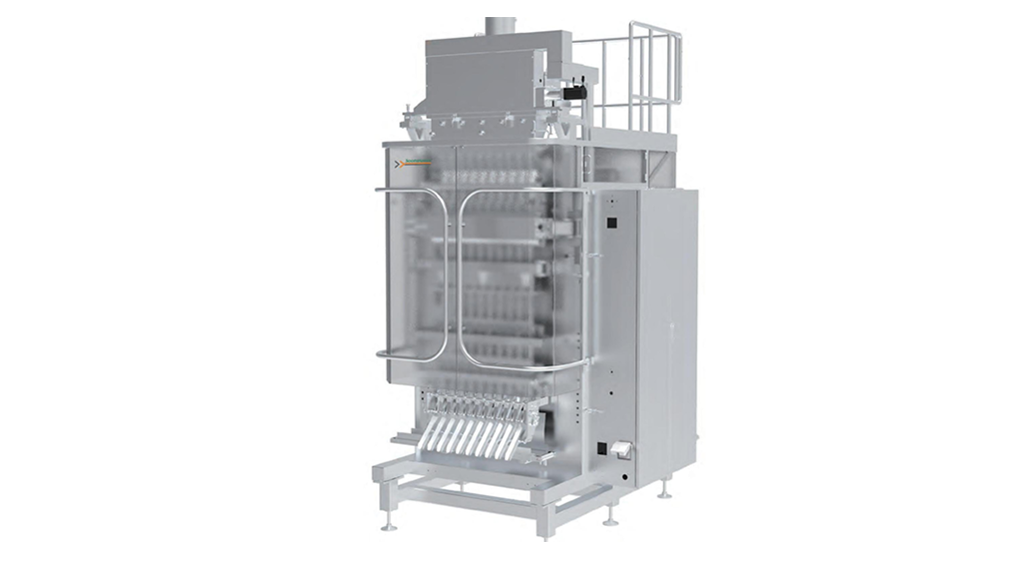
Vertical Packing
Vertical sealing servo, heat sealing servo
cold sealing servo, cutter servo
DKXL-650
Precision weighing or multi-head scales ensure consistent bag weight, with quality sensors enhancing packaging accuracy.
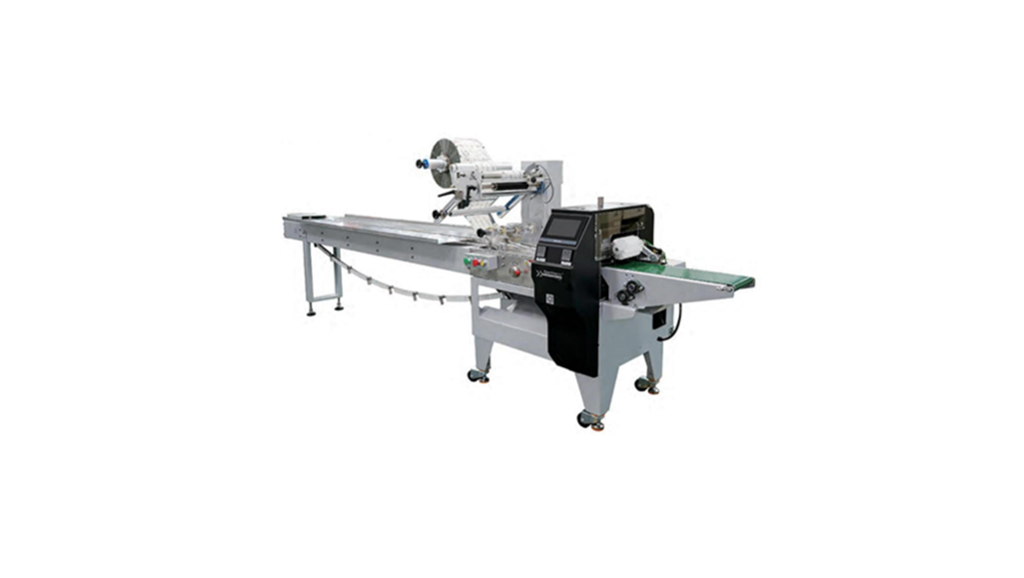
WP20
Automatically complete the processes of bag making, measuring, filling, sealing, bag cutting, etc., greatly improving the packaging speed.
Adapt Production Lines To The Future
Food brands today are all competing for speed, and a production line often has to run several different SKUs and carton sizes to meet the needs of various retail channels. Traditional rear-channel equipment replacement relies entirely on manual handling of wrenches for mechanical debugging, which is too long to delay precious production time.
One of the biggest sweet spots after upgrading to advanced food packaging line bin packing automation is PLC-controlled quick-change technology. With just a few clicks from the operator on the intuitive touch screen, the system automatically switches between different carton sizes and bin arrangements. The guide device on the device and the robot’s motion parameters are automatically adjusted. This flexibility means that even if your product line changes in the future or the packaging requirements at the retail end are changed, your current investment will still work well and minimize the time of downtime and replacement.
Strict Adherence To Food Safety
On the food packaging line, hygiene and product integrity are absolute red lines, with no room for compromise. Customized packing solutions must meet the highest industry standards.
At Soontrue, we focus on sanitary stainless steel structures when designing, just to withstand the strict flushing and cleaning process in food workshops. This not only minimizes the risk of contamination, but also ensures absolute compliance with food safety regulations. Furthermore, many customers worry that the robot’s movements will be too rough —after all, everything from fragile pastries to leaky bagged snacks needs to be carefully fiddled with. So we put a lot of thought into the design of the machine end-of-arm tooling (EOAT) to ensure that the grip is extremely gentle, which not only protects the integrity of the primary packaging, but also ensures that the food is perfect when it reaches the consumer.
Pull-Up Of Cartons Per Minute And Total Plant Capacity
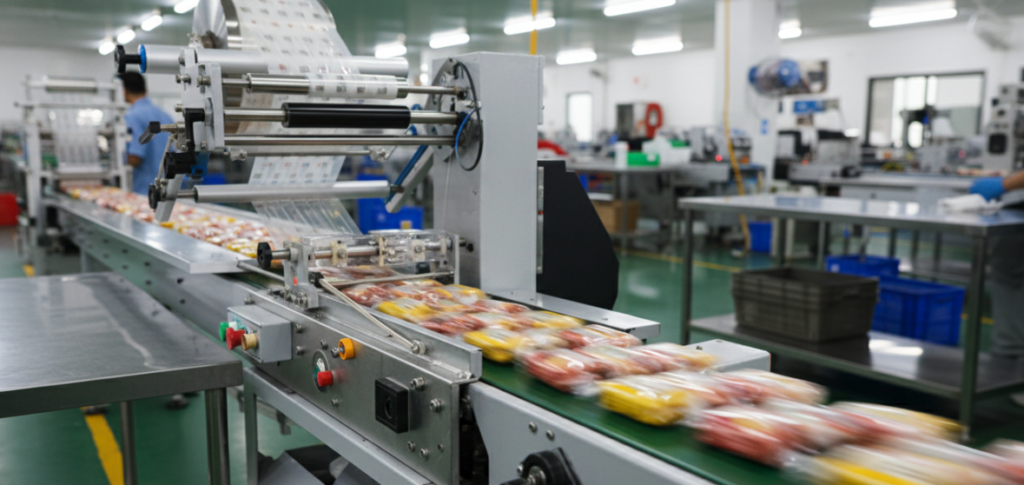
Ultimately, the core purpose of investing great effort in box packing automation is to push the factory’s production capacity to the limit. The speed of manual packing will definitely fluctuate due to fatigue, which is equivalent to putting an artificial “ceiling” on the entire factory’s production capacity.
Once those tireless automatic packers clear the back-channel bottlenecks, the seal on your entire production line is lifted. Operations managers see dramatic increases in CPM. Because the automation system can easily bite the maximum speed of the front-end equipment, your front-end packaging machine can finally run according to the full capacity on the nameplate. The throughput of the entire plant has increased, and you naturally no longer have to worry about missing any critical delivery deadlines.
Author: Chen Lee
Hi, with experience as a packaging automation solution architect, I specialize in helping food factory directors and operations managers overcome labor shortages and boost plant capacity. Through my work, I focus on designing highly flexible, hygienic, and seamless case packing automation systems.
