
 Soonqian
Automated Case Packing System
To meet the current technical requirements, a high-performance system must integrate a servo drive architecture to control accuracy. PLC control systems must also be able to seamlessly connect with front and rear equipment.There are more and more SKUs in today’s production environment. The modular design must support rapid production changes within 10 to 15 minutes, otherwise all the efficiency is wasted on tuning. Whether you’re evaluating top loading, side pushing, or robotic grabbing, core priorities are capacity stability and footprint. In addition, using SUS304/316 stainless steel is not only for compliance, but also for the equipment to withstand the hardships. From a purchasing perspective, don’t just look at how much it costs to buy the machine, look at the TCO, which is the source of high ROI by reducing product breakage, extending maintenance intervals, and the 24/7 reliability brought by CE certification.

High-performance Architecture
Servo drive architecture is the foundation of high-performance systems, and fine and gentle movements are required to reduce mechanical wear when running at high speeds. When it integrates an industrial standard PLC system, this case packer is no longer an island, but a communication node in your factory. This allows the device to achieve perfect “handshake” signaling with the filling machine in front and the palletizer in the back. This dynamic response capability is very critical, especially when facing speed fluctuations or micro-stops, and can effectively avoid bottlenecks in the entire production line.
Operational Flexibility
In today’s manufacturing environment, the variety of SKUs is a headache, which is the norm in almost all factories. This is when the advantages of modular design come into play, allowing equipment to be adjusted or upgraded as packaging needs change. For field engineers, changeover time is a hard indicator. Those that really stand out often support “toolless” adjustment, allowing operators to switch specifications in under 15 minutes. This extreme squeezing of downtime is the watershed between ordinary equipment and world-class automation solutions.
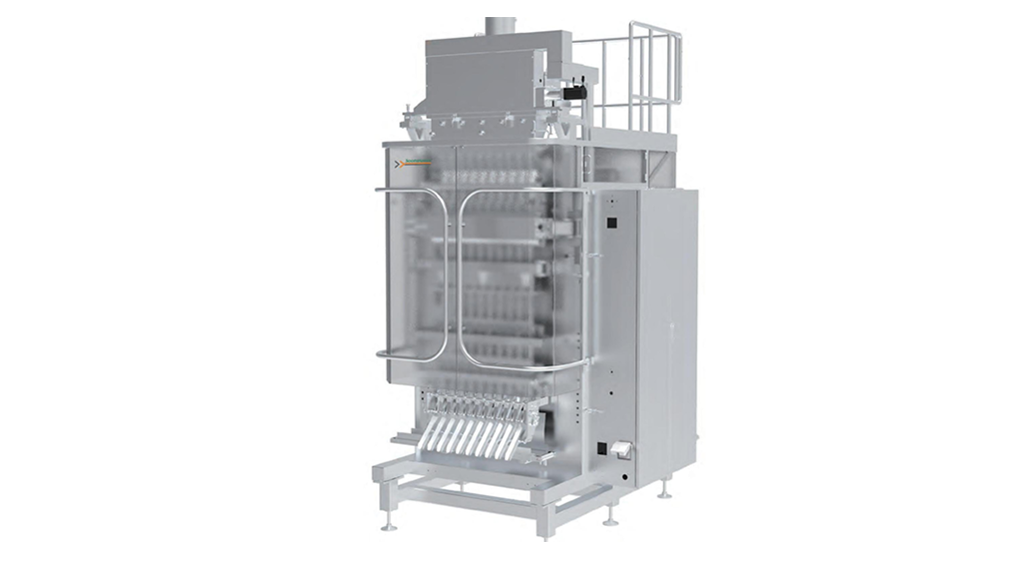
Vertical Packing
Vertical sealing servo, heat sealing servo
cold sealing servo, cutter servo
DKXL-650
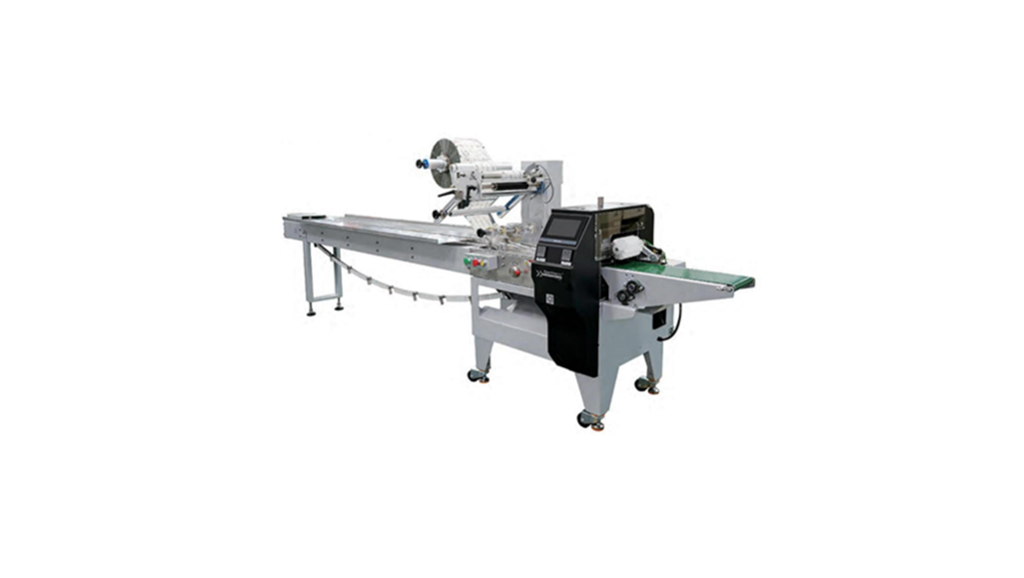
Precision weighing or multi-head scales ensure consistent bag weight, with quality sensors enhancing packaging accuracy.
WP20
Automatically complete the processes of bag making, measuring, filling, sealing, bag cutting, etc., greatly improving the packaging speed.
Select The Right Configuration
The mechanical logic was chosen wrong, and the later stage was full of pitfalls. This depends on your product characteristics:
- Top-loading system: If your product is afraid of being squeezed, or is a flexible packaging like a bag, it is safest to grab it with a robot and gently put it in.
- Side-Load: The preferred method for handling rigid containers or cartons, it is fast and extremely economical.
- Robotic grasping: This is the most versatile method, capable of handling complex packing patterns and multiple types of parallel lines, and is a future-oriented “one-step” solution.
Engineering Standards
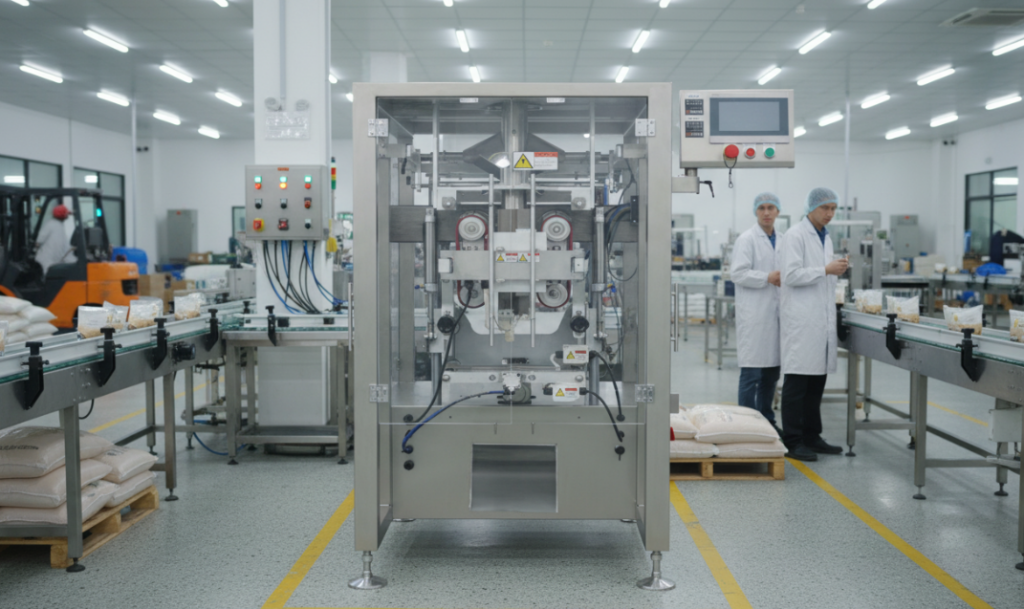
When it comes to implementing it in a factory environment, there are two indicators that I never discuss:
- Capacity stability: The rated speed of the equipment must match or even exceed the BPM or PPM of the filling machine. The packing process must not be the shortcoming of the entire line.
- Land area: The current factory is rich in land. A good solution requires that the unboxing, packing and sealing are highly integrated into a compact frame.
- Material: SUS304/316 stainless steel is a hard requirement. This is not only for compliance in the food and pharmaceutical industry, but also to allow machines to withstand high-intensity cleaning and complex chemical environments and live a few more years.
Procurement Strategy
Let’s do some more financial calculations. When buying equipment, the initial purchase price is just the tip of the iceberg. I often emphasize to my clients that strategic sourcing depends on the long term:
- ROI: This not only saves a few people’s wages, but more importantly it eliminates the uncertainty caused by human operations.
- Maintenance and Reliability: High-quality components and CE safety standards are selected to maintain 24/7 attendance. Longer maintenance intervals naturally save spare parts costs.
- Product integrity: Machine handling is always standardized. This can significantly reduce the damage caused by the impact of secondary packaging ——this is an implicit component that many factories easily ignore.
Ultimately, this investment in an automated crating system will truly become the cornerstone of your factory’s long-term operation, as long as technical precision and procurement strategy are aligned.
Author: Marcus Chen
Throughout my career, I have helped hundreds of manufacturers transition from manual labor to high-speed automation. My expertise lies in balancing technical precision—such as servo-driven architectures and PLC integrations—with strategic procurement goals like TCO and long-term ROI. I am passionate about engineering systems that are not just machines, but future-proof cornerstones of factory efficiency.
