
 Soonqian
How Strapping Machine Works
From the perspective of the core principle, its operation is entirely dependent on a highly synchronized “4-step mechanical cycle” driven by the internal motor and camshaft.
Step 1: The feed roller feeds the PP strap (or PET strap) out, wrapping it completely around your carton or pallet.
Step 2: The machine reverses the rollers to apply precise tightening force, ensuring the strap securely holds the cargo in place without damaging the cardboard boxes.
Step 3: Heat the blade (or the friction-welding module) to rapidly melt the overlapping edges of the two strips, creating a permanent heat-sealed joint.
Finally, the built-in cutter cleanly and neatly severs the excess web material. To really understand how this machine maintains that kind of extreme efficiency, we must disassemble the coordination rhythm of its internal components and go through the details of these four stages.
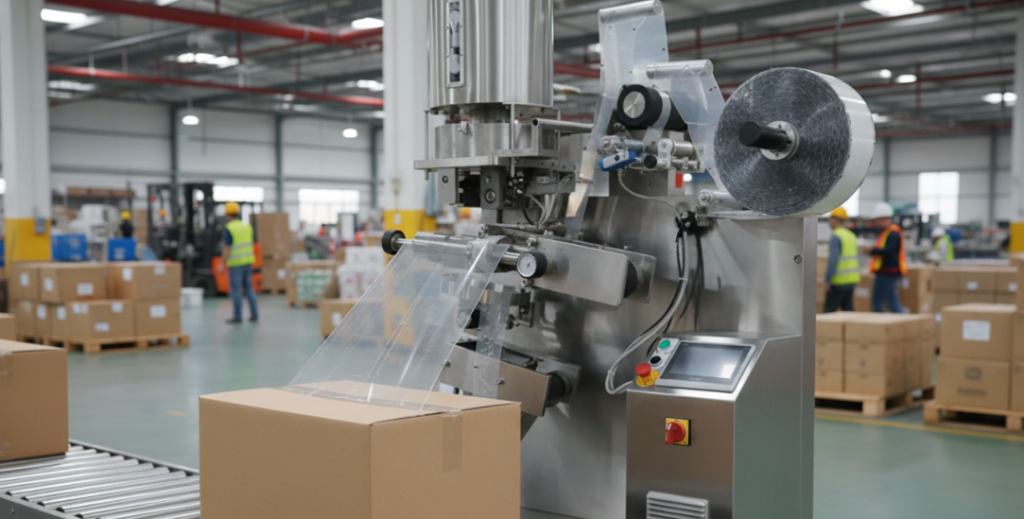
Power Source: Internal Motor And Camshaft
Before the packing cycle really starts, you need to understand what’s giving the orders. The whole process is actually “”lined up”” by a set of internal motors and camshaft systems. The internal motor is responsible for the physical work, providing the original mechanical power needed to send and pull the belt; and the camshaft, this is the “mechanical brain” of the machine. The shape and rotation angle of the cam stuck the precise timing of each action. This highly synchronized system ensures that tape feeding, tightening, heat sealing and cutting are done in one go in a few tenths of a second, without any mechanical overlap or stutter. Once the on-site machine has action interference or frequent clamping, it is 80% that the synchronous rhythm of the camshaft has gone wrong.
Step 1: Send Pulley Belt
The first physical action of the loop is out of the band. Driven by the motor, the belt wheel is engaged and starts to push the packing belt forward quickly. The specific tape used depends on your actual packaging needs. Ordinary cartons are usually made of PP (polypropylene) tape. A larger and heavier pallet must have PET (polyester) tape with stronger tension. The belt pulley will guide the belt through the internal track of the machine or the gantry bow frame, allowing it to a complete circle around the carton or pallet until the leader hits the inside of the head and stops to wait for the next instruction.
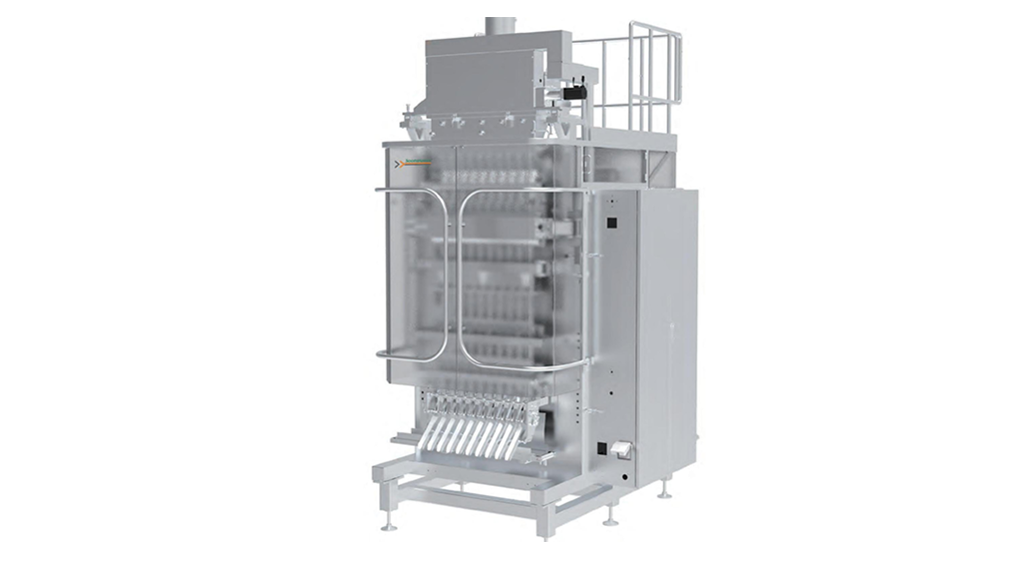
Vertical Packing
Vertical sealing servo, heat sealing servo
cold sealing servo, cutter servo
DKXL-650
Precision weighing or multi-head scales ensure consistent bag weight, with quality sensors enhancing packaging accuracy.
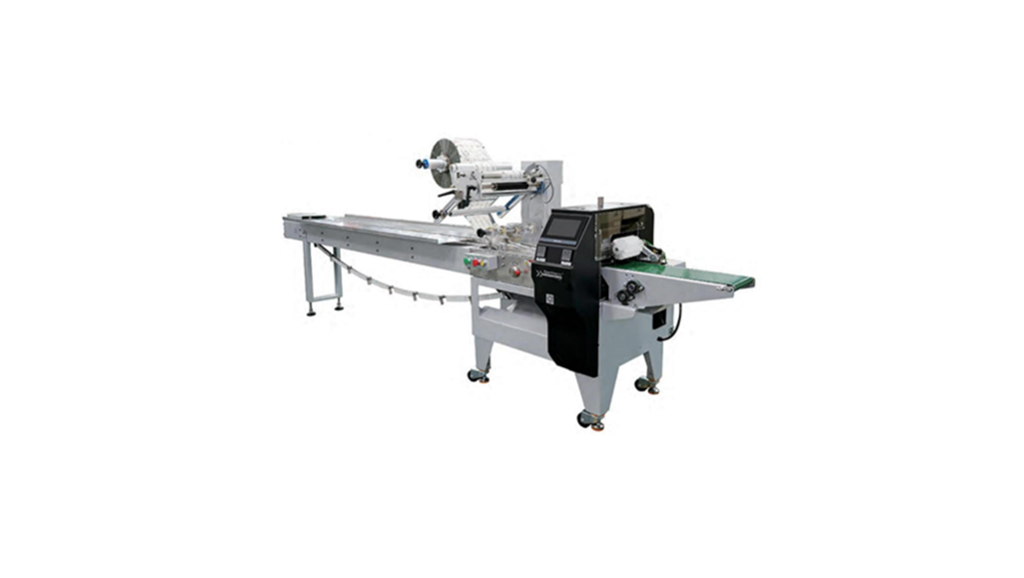
WP20
Automatically complete the processes of bag making, measuring, filling, sealing, bag cutting, etc., greatly improving the packaging speed.
Step 2: Apply Precise Tightening Force
Once the PP or PET belt is wound, the machine will immediately cut into the tightening stage. At this time, the mechanical cycle is directly reversed-the roller responsible for feeding the belt just now starts to rotate in reverse. Through this reversal, the machine pulls the tape back so that it is tightly stretched against the surface of the carton or cargo. The subtlety of this step lies in the word “”precision. The torque of the motor is strictly adjusted. The pulling force can just tighten the goods and ensure that they will not fall apart during transportation, but it will stop instantly before the pressure is too great to deform the cardboard or products. Usually in the workshop, the operator is most likely to mess up is the tightening of the strength of the parameter setting.
Step 3: Generate Permanent Heat Seal Interface
When the strap is stretched with perfect tension, the camshaft will activate the sealing mechanism in the head. Because the belt is around the outside of the goods, there are actually two overlapping heads inside the nose at this time. To connect them, the machine either uses a heated blade or a friction welding module.
- Heating blade: A hot metal sheet will be inserted into the middle of the two layers of tape in an instant to quickly iron the plastic surface.
- Friction welding: The machine produces intense friction against extremely high-frequency mechanical vibration, which directly melts the inner layer of the belt. At present, heavy-duty packaging line with this kind of more.
No matter which one is used, once the plastic is molten, the blade is immediately removed, and then the briquettes are pressed up to the top, pressing the two ends together. Plastic cooling is a blink of an eye, and a permanent heat-sealed interface that is strong enough to withstand heavy transport tensions is done.
Step 4: Cut Off Excess Strip Material
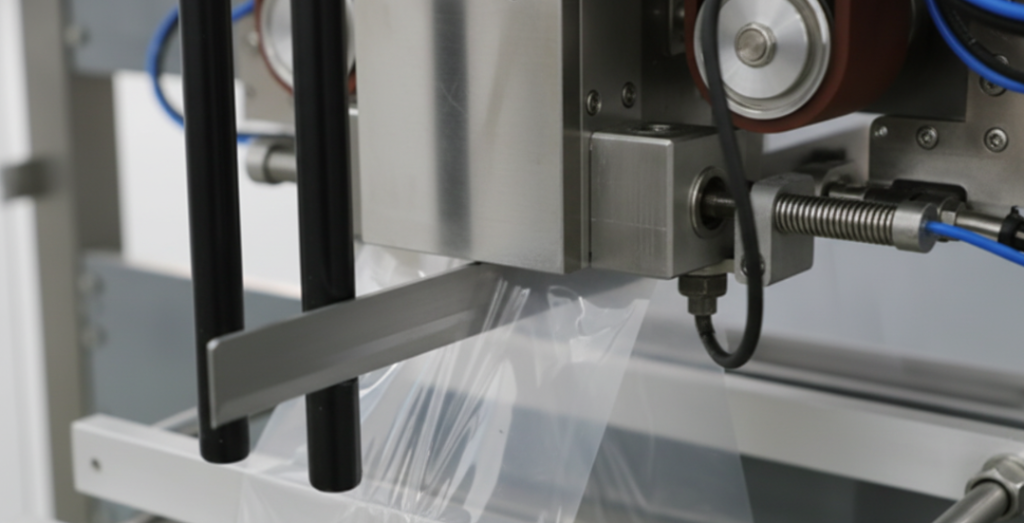
The last step in the operation of the baler is to cut off. Once the heat seal is formed, the tape on the goods is actually still attached to the entire roll of the on the machine tape tray. To end this cycle, the camshaft triggers a built-in cutting mechanism-usually a hardened steel mechanical knife. This knife will the clean cutting action behind the newly made heat seal interface. Cutting off the excess belt material not only allows the packed carton to be completely separated from the machine, but also leaves a flat edge for the leader in the belt bin. The blade must be kept sharp, only the incision is smooth, the belt wheel can grab the belt smoothly next time, and the highly synchronized 4 step cycle can be perfectly repeated on the next package.
Author: Mark Harrison
With over a decade of hands-on experience troubleshooting and maintaining automated packaging machinery, I’ve spent countless hours on factory floors observing and fixing packaging lines. I specialize in breaking down complex mechanical equipment—like the internal motor and camshaft systems of strapping machines—into practical, easy-to-understand insights.
