
 Soonqian
How To Use Vacuum Packing Machine
When using a vacuum packaging machine, you need to put the food into a suitable packaging bag, put the open end into the vacuum channel of the machine, and then close the lid for sealing. The machine will extract air and heat seal the package, thereby extending the shelf life of the food. Some key tips include: reserving 2-3 inches of headspace, using bags with textured surfaces, and choosing a “wet” mode for wet foods.
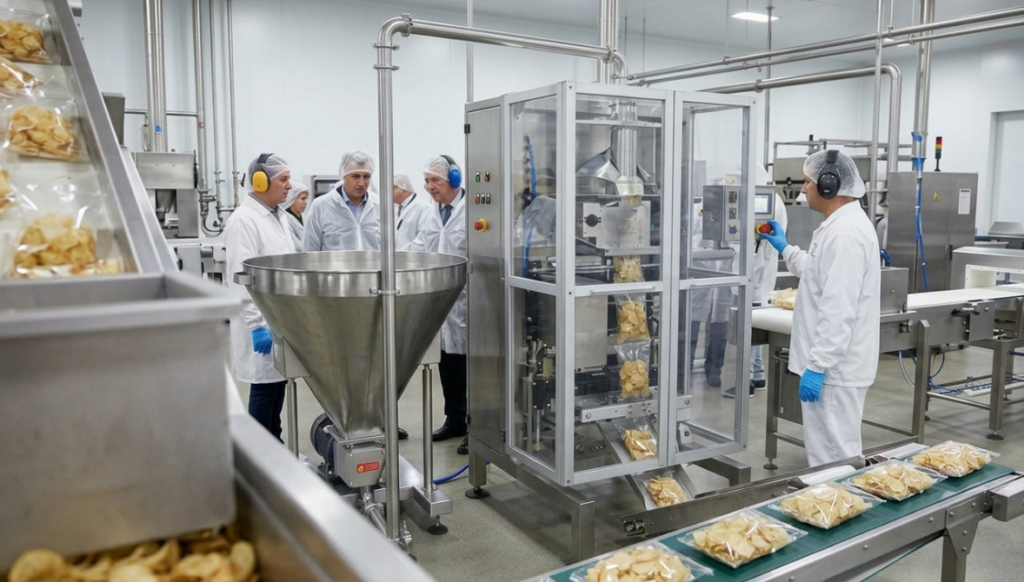
Practical Operation Steps Of Vacuum Packaging Machine
If the order is right, the air tightness will be guaranteed, otherwise it is easy to leak.
- Prepare the bag: If you are using a roll bag, cut out the appropriate length first. Don’t fill the bag too full, remember to leave 2-3 inches of free space, this place is for the machine to pump air smoothly. If it is a roll bag, remember to seal one end first.
- Loading ingredients: Put things in. I suggest that the ingredients should be kept as dry as possible. If it is meat or pickled products with juice, it is better to freeze them in advance so that the juice will not be sucked into the machine tank when pumping air.
- Place the bag mouth: lift the lid and lay the bag mouth flat into the vacuum tank. The key to this step is to smooth the folds at the mouth of the bag. Even a little fine lines may lead to vacuum failure, and then it will have to be sealed again.
- Lock the cover: close the cover and press firmly on both sides until you hear a “click” or feel the lock. If it is not locked, the vacuum pump will not work.
- Start operation: press the “Vacuum & Seal” key, the machine will automatically start pumping air. When the air is pumped dry, it will automatically jump to the heat seal mode.
- Take out the finished product: don’t be impatient, wait for the indicator light to go out or the machine prompts that the cycle is over, then press the unlock key to take out the bag.
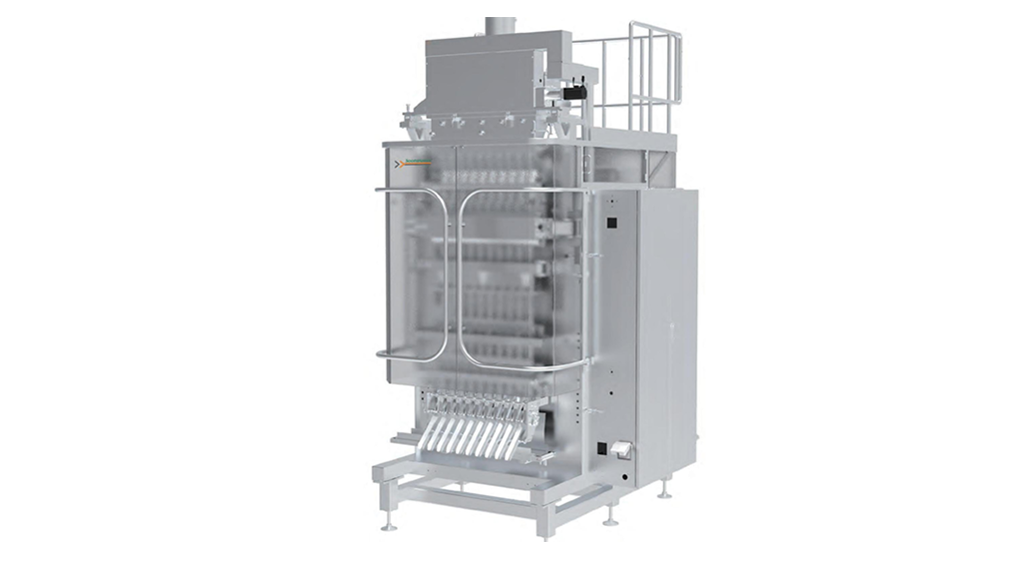
Vertical Packing
Vertical sealing servo, heat sealing servo
cold sealing servo, cutter servo
DKXL-650
Precision weighing or multi-head scales ensure consistent bag weight, with quality sensors enhancing packaging accuracy.
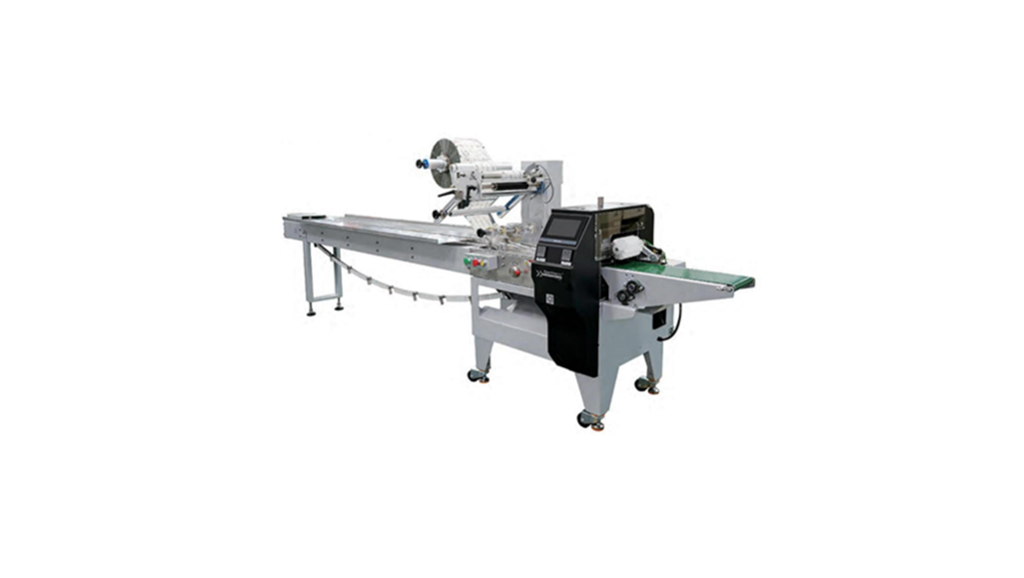
WP20
Automatically complete the processes of bag making, measuring, filling, sealing, bag cutting, etc., greatly improving the packaging speed.
Professional Tips For You
After using it for a long time, you will find that some “troublesome” ingredients have handling tips:
- Handle food with juice: If you have to seal something with soup, I have an old trick: put small pieces of folded kitchen paper on the inside of the bag. It can play a buffering role, the excess water to intercept. Of course, the pre-freezing effect is also a bar.
- Don’t crush delicate food: things like bread and berries are easy to crush in automatic mode. At this time, you should keep an eye on it. If you find that the bag starts to tighten, immediately press the “Seal” key to cut off the pumping. This is called “inching seal”.
- The “exhaust” problem of vegetables: broccoli and cauliflower are easy to expand after sealing. It is suggested to blanch the water first, which can not only keep fresh, but also solve the problem of bag leakage.
- Machine maintenance: After use, do not lock the lid for storage. Long-term locking will crush the foam gasket inside, causing the machine to age. Just slightly conceal the lid, which is the secret to extending the life of the equipment.
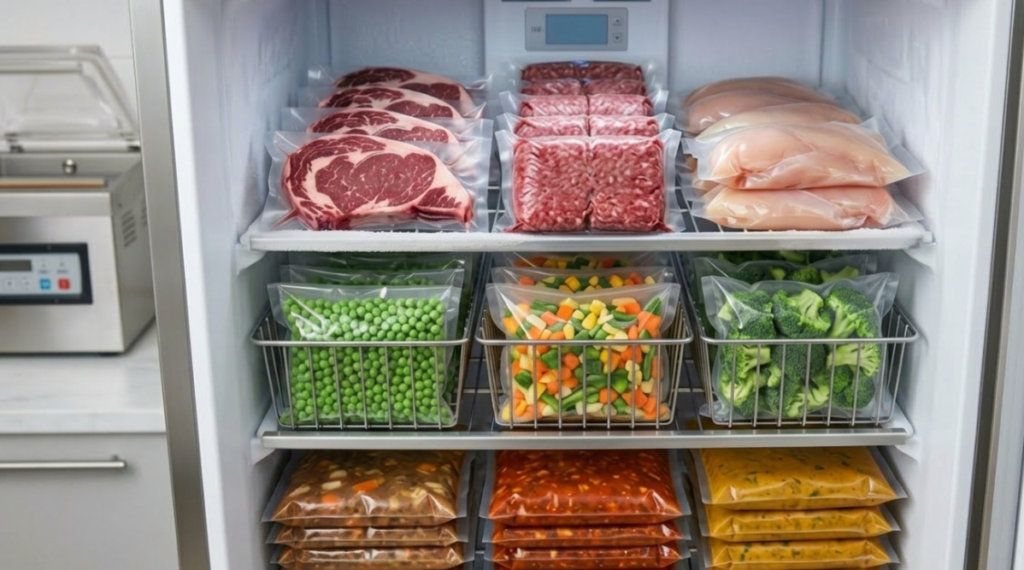
In general, vacuum packaging itself is not complicated, as long as you master these tips, not only can make the refrigerator clean and tidy, but also the shelf life of the ingredients can be extended a lot.
Author: Alex Rivera
Hi, I’m a home-cooking enthusiast and organizational geek who believes that the right tools make all the difference in the kitchen. After years of trial and error with food preservation, I’ve mastered the art of vacuum sealing to keep ingredients fresh and my freezer perfectly clutter-free.
