
 Soonqian
Automatic Pillow Packing Machine
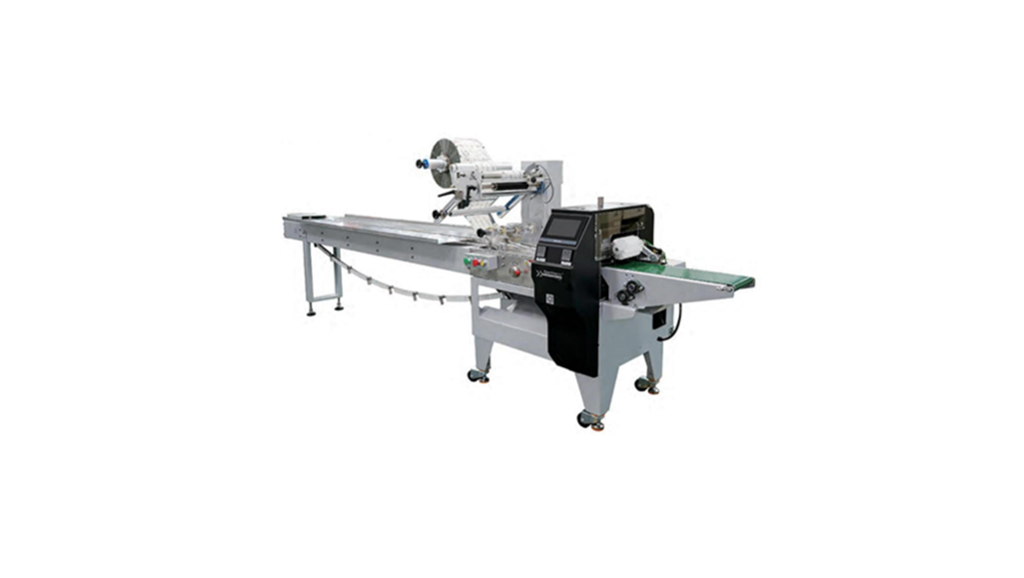
Integrating a high-performance automatic pillow packing machine into a production line is the most effective way to eliminate packaging bottlenecks and drastically reduce operational overhead. A standard unit equipped with a dual-servo motor drive and a high-precision PLC control system automates the entire feeding, film forming, sealing, and cutting process, achieving consistent speeds of 40 to 230 BPM (Bags Per Minute). This transition from manual to automated packaging typically replaces three to five workers, ensuring a rapid Return on Investment (ROI) through lower labor costs and minimized human error. Technical features such as high-sensitivity photocell sensors provide millimetric accuracy in print-mark tracking to prevent film waste, while the intuitive touch screen interface allows for seamless product changeovers. Whether handling food items, hardware, or medical supplies, the machine guarantees a professional, airtight seal that enhances product shelf life and brand presentation.
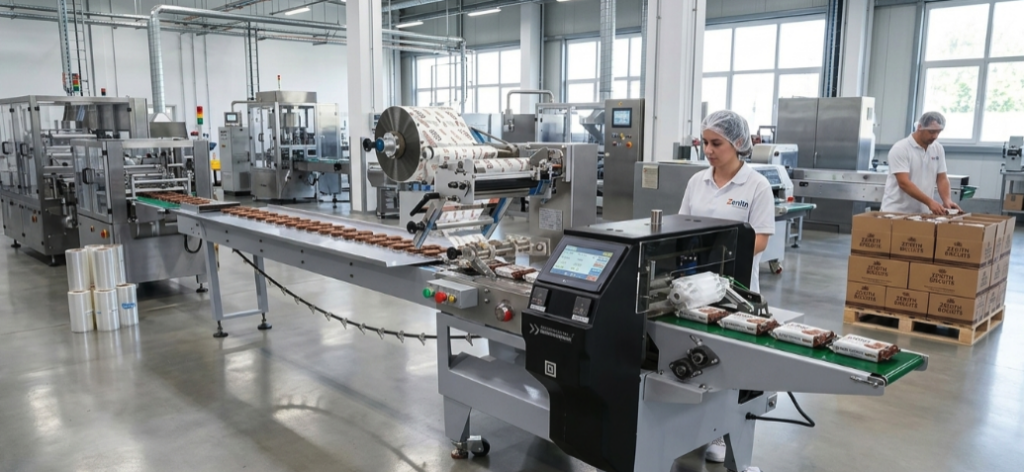
Eliminating Bottlenecks And Reducing Operational Overhead
In modern manufacturing, the packaging stage is often the most common area for production slowdowns. Relying on outdated methods can create severe bottlenecks that limit your overall daily output. By integrating a high-performance automatic pillow packing machine, also widely referred to in the industry as a flow wrap machine or an HFFS (Horizontal Form Fill Seal) system, businesses can instantly resolve these choke points. This integration streamlines the workflow, ensuring that the speed of packaging matches the speed of production, thereby drastically reducing operational overhead and maximizing overall factory efficiency.
Dual-Servo Motors And PLC Control
The remarkable performance of an automatic pillow packing machine lies in its advanced internal technology.
Fully Automated Packaging Process
A standard, high-quality unit is driven by a sophisticated dual-servo motor drive paired with a high-precision PLC (Programmable Logic Controller) control system. This powerful combination takes over the heavy lifting, fully automating the four critical steps of packaging:
- Feeding: Smoothly transporting the raw product into the packaging area.
- Film Forming: Shaping the flat packaging film into a continuous tube around the product.
- Sealing: Applying heat and pressure to create strong, reliable seals.
- Cutting: Separating the continuous tube into individual, perfectly sized packages.
High-Speed Output Capabilities
Because these steps are synchronized by the PLC system, the flow wrap machine operates with incredible fluidity. Manufacturers can expect to achieve consistent and reliable production speeds ranging from 40 to 230 BPM (Bags Per Minute), easily accommodating both medium-scale and high-volume production demands.
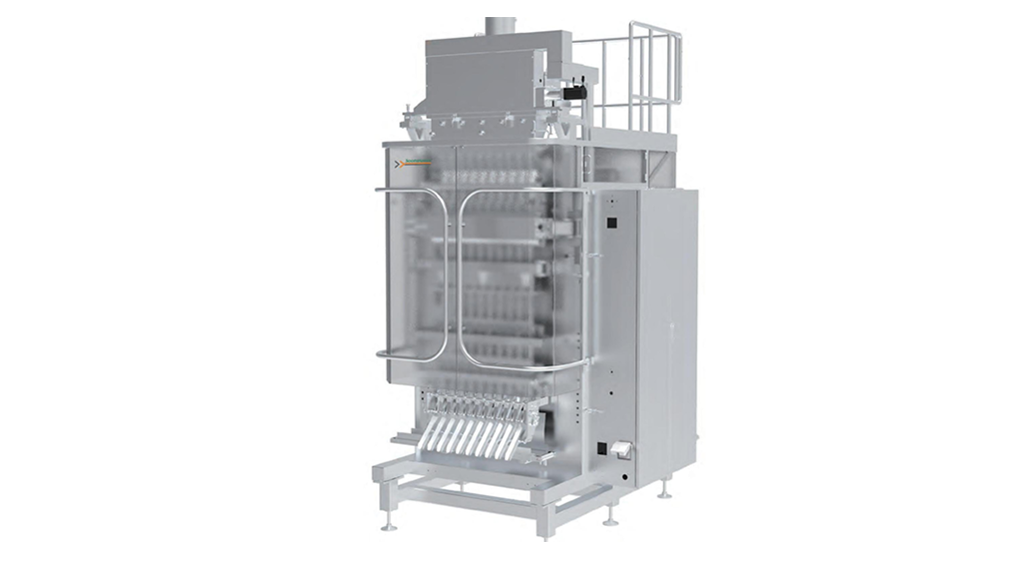
Vertical Packing
Vertical sealing servo, heat sealing servo
cold sealing servo, cutter servo
DKXL-650
Precision weighing or multi-head scales ensure consistent bag weight, with quality sensors enhancing packaging accuracy.
WP20
Automatically complete the processes of bag making, measuring, filling, sealing, bag cutting, etc., greatly improving the packaging speed.
Lowering Labor Costs And Minimizing Human Error
One of the most compelling reasons to invest in an HFFS system is the immediate financial benefit. The transition from manual bagging and sealing to automated packaging has a profound impact on a company’s bottom line. By operating at speeds of up to 230 BPM, a single automatic pillow packing machine typically replaces three to five workers per shift. This significant reduction in manual labor allows businesses to reallocate human resources to more complex tasks. Consequently, companies experience a highly rapid Return on Investment (ROI) due to drastically lowered labor costs. Furthermore, removing manual intervention naturally minimizes human error, resulting in fewer damaged goods, less rework, and a highly consistent packaging standard.
Precision Engineering For Material Savings And Usability
Beyond speed and labor savings, modern flow wrap machines are designed to be highly efficient with materials and incredibly user-friendly for operators.
High-Sensitivity Photocell Sensors and Waste Prevention
Packaging film can be a major ongoing expense, making material waste a significant concern. To combat this, the machine utilizes high-sensitivity photocell sensors. These sensors provide millimetric accuracy in print-mark tracking, ensuring that pre-printed logos, nutritional information, and branding are perfectly centered on every single bag. By cutting precisely at the designated mark every time, the machine effectively prevents film waste and lowers consumable costs.
Intuitive Touch Screen for Seamless Changeovers
Production lines rarely pack just one size of product forever. To accommodate changing business needs, the machine features an intuitive touch screen interface. This allows operators to easily input new parameters, adjust bag lengths, and modify sealing temperatures. The result is seamless product changeovers with minimal machine downtime, keeping production running smoothly even when switching between different product batches.
Versatile Applications And Professional Sealing Quality
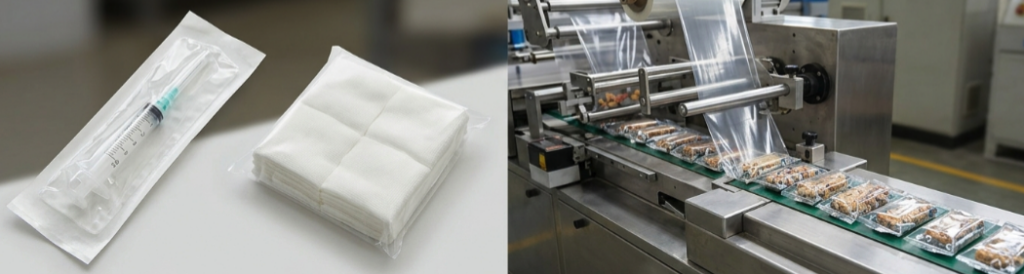
The versatility of an automatic pillow packing machine makes it an indispensable asset across a wide variety of industries. Whether a facility is processing baked goods and daily food items, packaging solid hardware tools and spare parts, or maintaining the strict hygienic standards required for medical supplies, the HFFS system adapts effortlessly. Regardless of the product inside, the final output remains consistent. The machine guarantees a professional, airtight seal on every package. For food and medical applications, this airtight environment is crucial as it significantly enhances product shelf life by preventing exposure to air and moisture. Ultimately, the clean, uniform, and secure packaging elevates the overall brand presentation, ensuring products look premium and trustworthy when they reach the consumer’s hands.
Author: Alex Sterling
I am a manufacturing technology consultant with over 12 years of experience in the industrial automation sector. Throughout my career, I have specialized in optimizing packaging line workflows for high-growth businesses. My mission is to help manufacturers transition from manual, bottleneck-prone processes to high-efficiency, automated systems that drive sustainable profitability.
