 Soonqian
How To Use Packing Machine
To successfully operate a packing machine, you must follow a structured workflow: First, conduct a safety inspection and ensure the film roll is correctly loaded on the reel shaft; second, power on the machine via the PLC interface and perform a system calibration to match your bag size; third, input precise settings for sealing temperature and packing speed; and finally, initiate a dry run before feeding products into the hopper, while remaining vigilant for any emergency stop requirements. Following these steps systematically reduces downtime and ensures consistent packaging quality.
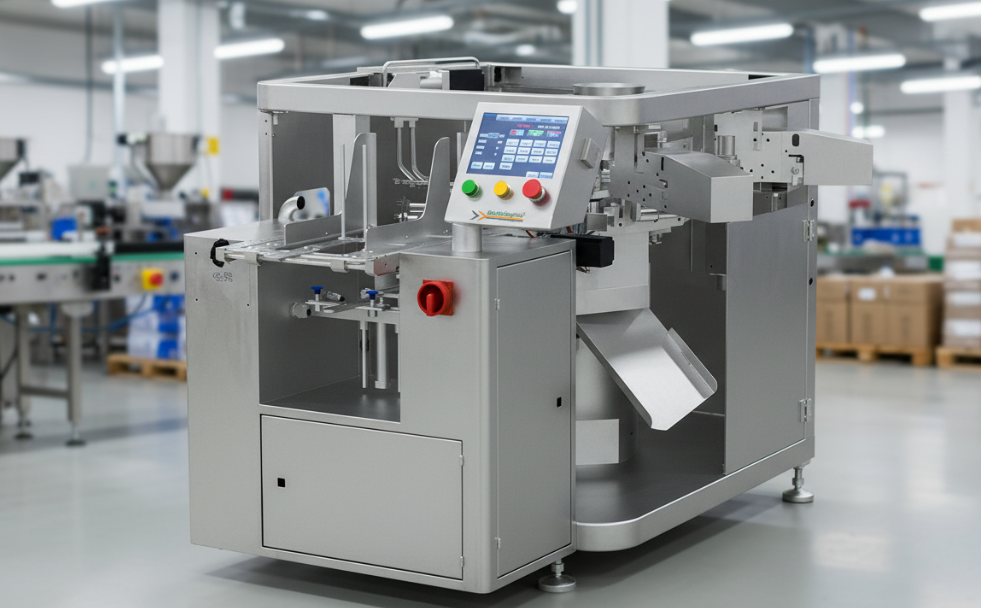
Step1: Safety Guidelines And Calibration Before Starting
Don’t rush to press the start button, safety is the bottom line. The shield must be closed properly, and the labor protection articles must be dressed neatly.
Film loading: When the roll film is loaded on the shaft, the tension must be balanced. According to my experience, most of the time the packaging bag deviates and goes out of position, 90% of it is because the tension is not adjusted correctly. Don’t be careless about this.
System initialization: After the main power is turned on, enter the PLC interface and stare at it to finish the self-test. If the system reports an error, don’t hard start, check it out before going down.
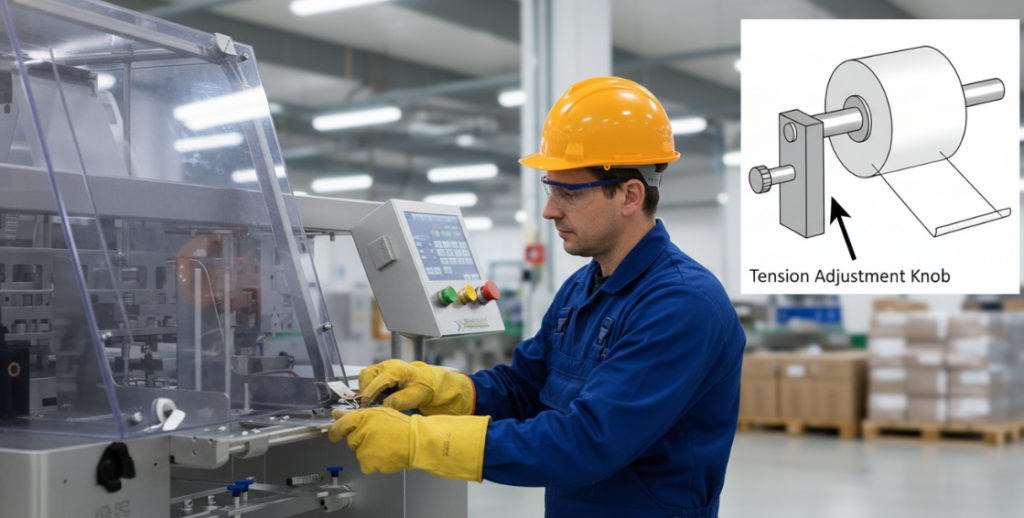
Step2: Targeted Parameter Configuration
Each product has its own “temper”, and direct use of default parameters often leads to problems.
Heat seal temperature: This is the core. If you are using LDPE or composite film, the temperature must be stuck in the range recommended by the manufacturer. When the temperature is low, the seal is not firm, and when the temperature is high, it is directly ironed. The temperature in the middle depends on experience.
Packing speed: don’t be greedy for speed at first, run at low speed and first, and make sure the bag size and paper walking are no problem. When the conveying rhythm of the membrane and the blanking action are synchronized and stable, it will be added up slowly.
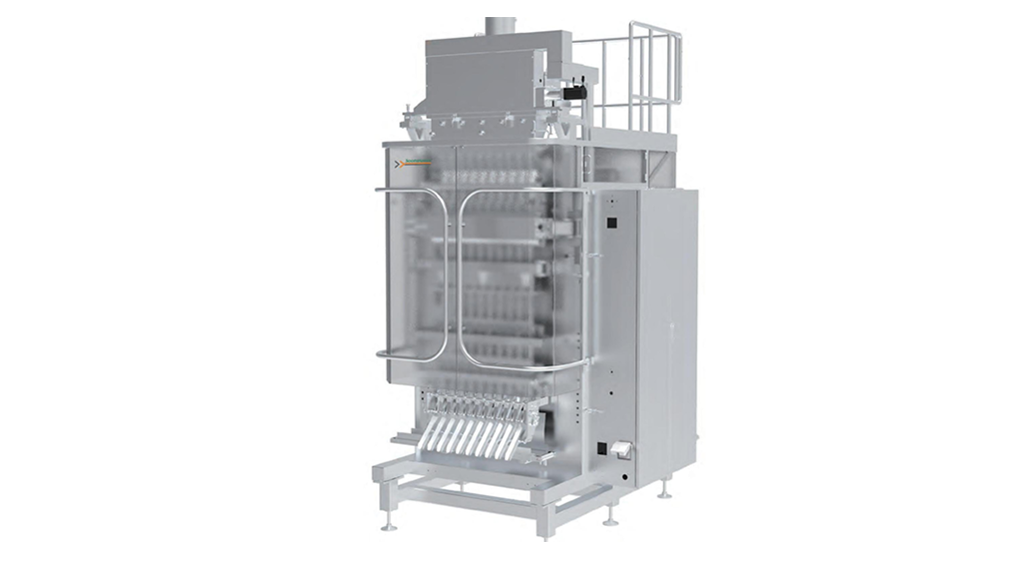
Vertical Packing
Vertical sealing servo, heat sealing servo
cold sealing servo, cutter servo
DKXL-650
Precision weighing or multi-head scales ensure consistent bag weight, with quality sensors enhancing packaging accuracy.
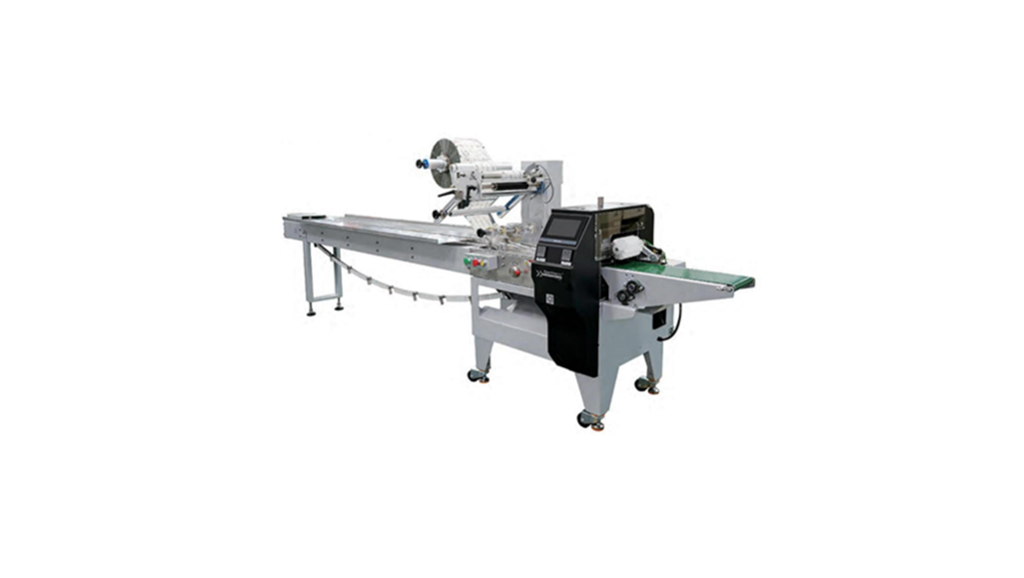
WP20
Automatically complete the processes of bag making, measuring, filling, sealing, bag cutting, etc., greatly improving the packaging speed.
Step3: Troubleshooting & Preventive Maintenance
Even the best machines encounter hitches. Here is how to handle the most common issues:
| Problem | Potential Cause | Solution |
| Poor Seal Quality | Incorrect Temperature | Adjust the sealing bar temperature settings |
| Film Jamming | Incorrect Tension | Re-align the film roll and check the dancer arm |
| Error Message on PLC | Sensor Obstruction | Clear the sensor and restart the machine |
Step4: Engineer’s Experience
Daily cleaning: after each shift, be sure to clean up the heat seal. The plastic residue accumulated on it is the main culprit for the uneven sealing of the follow-up, and this work cannot be saved.
Record is money: write down the optimal PLC setting parameters for each product and make a small manual. The next time you change production, you don’t have to grope again, you can call the record directly, and the switching efficiency can double.
Author: Marcus Chen
I’m a senior technical engineer with over 11 years of hands-on experience in industrial packaging automation. Throughout my career, I’ve specialized in the installation, PLC configuration, and preventive maintenance of high-speed packing systems across global manufacturing facilities.