
 Soonqian
What Are The Steps Of For Installing A Package Machine
To install a packaging machine, first, site preparation and infrastructure audit, you have to confirm whether the voltage, grounding and gas source meet the standards; The second is unpacking and component inspection, and all sensors and accessories are found in the packing list. The third step is physical positioning and leveling, the upper level leveling machine frame to prevent vibration; The fourth step is to integrate the electrical and gas circuits to complete the PLC I/O wiring and air pipe. The fifth step is to calibrate the hardware components, specifically aligning the sealing pliers and the film feeding mechanism. The sixth step is to test the motor logic with HMI inching. Finally, the tape test machine and delivery, running the real material fine-tuning parameters to optimize OEE. As long as this process is solid, 90% of the startup failures and early wear and tear on site can be avoided.
SOP For Detailed Disassembly And Installation
The summary above is the critical path, the real work is in the details. The following is a guide to the seven key steps, which are the basis for ensuring the long-term stable operation of the machine.
Step 1: Site Preparation And Infrastructure Audit
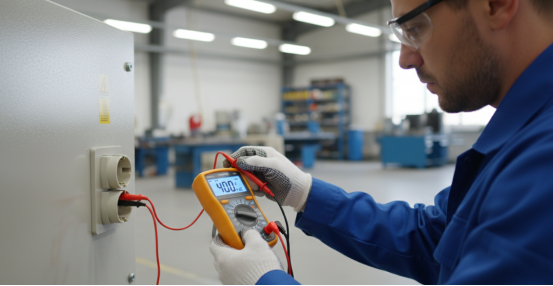
Before the machine comes in, we first have to take the OEM (original equipment manufacturer) layout to check the site infrastructure. It’s not just about whether the place is big enough, the focus is on “compatibility”. Voltage verification: when measuring the workshop voltage with a multimeter, it must be aligned with the machine nameplate (such as 220V/380V, three-phase electricity). Field voltage fluctuations are the number one cause of burnout of sensitive servo drives. Grounding: The grounding is not good, the PLC is susceptible to interference and noise, and the operator is not safe. Air supply quality: the compressed air of the pneumatic system must be “clean and dry. I have seen too many times because there is moisture in the air pipe, which causes the solenoid valve and the internal cylinder to rust. The machine was scrapped before it could run.
Step 2: Unpacking And Component Inspection
When the goods arrive, unpacking is actually the quality inspection. Don’t rush to throw packaging materials until the inventory is completed. Against the packing list: point by point. Small items such as spare sensors, heating tubes and tool kits are often taped to the cracks in cartons and thrown away as garbage they are not careful. Vehicle damage assessment: focus on checking whether the electric cabinet and conveyor belt have transportation impact marks. Now it is found that the shaft is bent or the screen is broken, which is another thing. If you wait for half of the installation to find out, it will take several days to troubleshoot.
Step 3: Physical Positioning And Horizontal Leveling
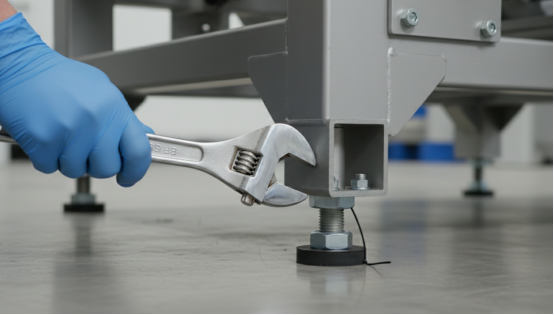
After the machine is back in place, stability is everything. A packaging machine without leveling must wear unevenly. Precision leveling: Put a fitter level on the main frame and adjust the floor pads until the bubble is perfectly centered on the X and Y axes. Eliminate vibration: be sure to lock the anchor nut after adjustment. If the machine runs with great vibration, it is often because it has not been leveled, the sealing effect is unstable over time, and the screws will also loosen.
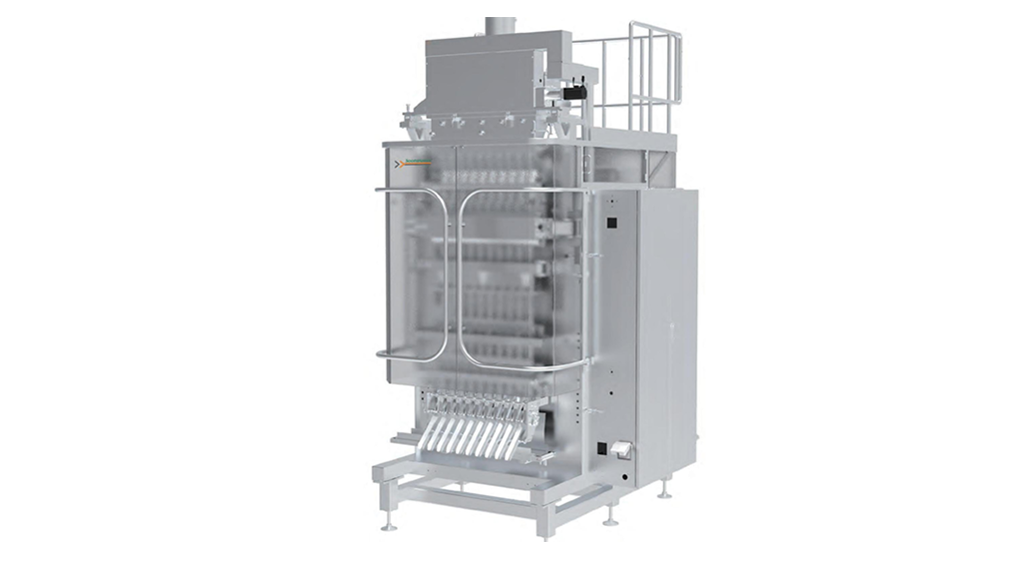
Vertical Packing
Vertical sealing servo, heat sealing servo
cold sealing servo, cutter servo
DKXL-650
Precision weighing or multi-head scales ensure consistent bag weight, with quality sensors enhancing packaging accuracy.
WP20
Automatically complete the processes of bag making, measuring, filling, sealing, bag cutting, etc., greatly improving the packaging speed.
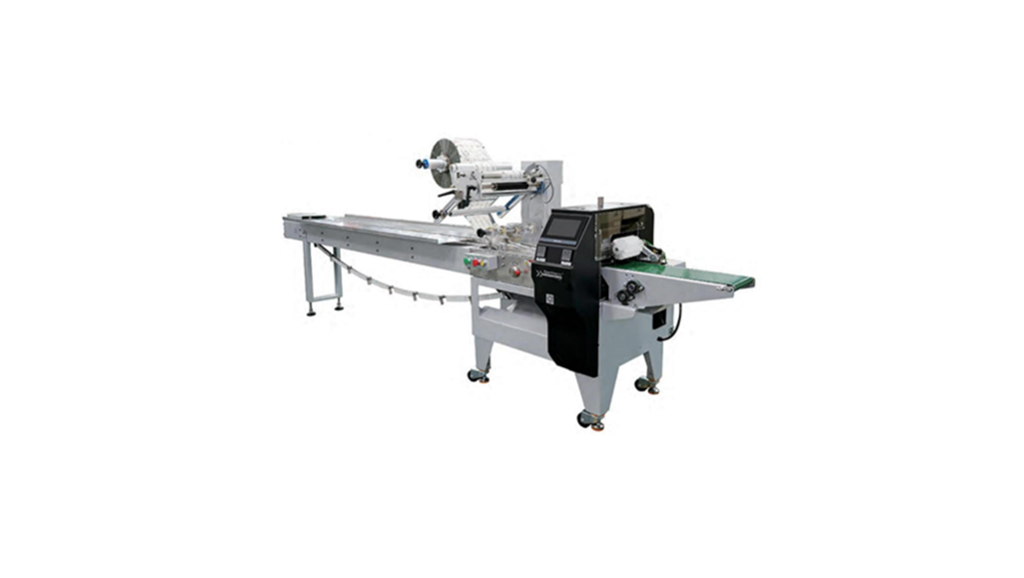
Step 4: Electrical Wiring And Gas Circuit Integration
This step is to connect the “nervous system” (electricity) and “muscles” (qi) of the machine. PLC I/O connections: Ensure that all external input and output lines are tightly connected to the terminal block. Most of the “paranormal faults” on the scene are caused by false wiring. Gas path routing: connect the main gas pipe and check the pressure regulating valve. Set the pressure to the manufacturer’s recommended value (PSI/Bar). At this time, we should erect our ears and listen. If there is any air leakage, we should immediately deal with it. If the pressure is unstable, the machine will not be able to work stably.
Step 5: Hardware Component Calibration
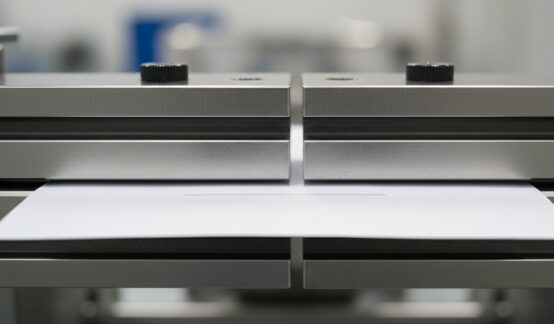
With water and electricity, the mechanical parts have to be “synchronized. Alignment of sealing pliers: The jaw closures must be absolutely parallel to form an airtight seal. A little crooked, either air leakage or shredding products. Film feeding mechanism: adjusting tension roller. If the membrane is loose, it will wrinkle. If it is too tight, it will collapse directly. Conveyor belt: keep an eye on the deviation of the feeding and discharging belts and must be centered, otherwise the edge of the belt will be bald in a few days.
Step 6: Empty Run Test (No Material)
Don’t rush to feed or hang the film first, “empty run” is to verify the logic of the machine. HMI manual control: manually click each cylinder and motor on the human-machine interface (HMI). Motor steering logic: Confirm that all motors are turning in the correct direction. If the conveyor belt motor is connected reversely, it will be a serious material blocking accident when it is turned on. Sensor verification: block the photo eye or proximity switch with your hand to see if the PLC has received a signal and the corresponding indicator light is on or off.
Step 7: Strip Test Machine And Commissioning Delivery
The last step is to turn the stilled iron pimples into productivity. It’s time to get real products and packaging films. Parameter fine-tuning: according to the specific characteristics of the packaging material, to pick those heat sealing time, temperature and speed parameters. OEE Optimization: Speed should be increased a little bit. Keep an eye on OEE (comprehensive efficiency of equipment) to see if there is any material sticking, tight sealing and accurate weight. Safety Agreement: This point cannot be sloppy. It must be confirmed that any protective door machine can be shut down immediately (the emergency stop function is effective). After confirmation, I will hand over the machine to the production team.
Author: Alex Morgan
Hi, I’m a Senior Automation Engineer with over 12 years of experience in the packaging industry. I specialize in machine commissioning and OEE optimization for manufacturing lines. I wrote this guide to help operators ensure precise installation through rigorous adherence to technical SOPs and safety protocols.
Author: Alex Morgan
Hi, I’m a Senior Automation Engineer with over 12 years of experience in the packaging industry. I specialize in machine commissioning and OEE optimization for manufacturing lines. I wrote this guide to help operators ensure precise installation through rigorous adherence to technical SOPs and safety protocols.
