
 Soonqian
How Packaging Machine Works
Simply put, packaging machinery is a set of precision integration of mechanical, electrical and pneumatic automation system, its core task is to film, bags or cartons of these materials, through the feeding, forming, filling and sealing of these links, into a direct listing of products. Whether you are dealing with powder, liquid or granules, the basic logic is the same: either pull the coil film out to make bags on site, or fill the prefabricated container, then heat seal, code and output.
Core Operating Process: Step-By-Step Parsing
The operation of the automatic packaging machine is a set of coherent actions in pursuit of speed, precision and consistency. To figure out how they turn, we have to follow the trajectory of the packaging material inside the machine 1 times.
1. Material supply and loading
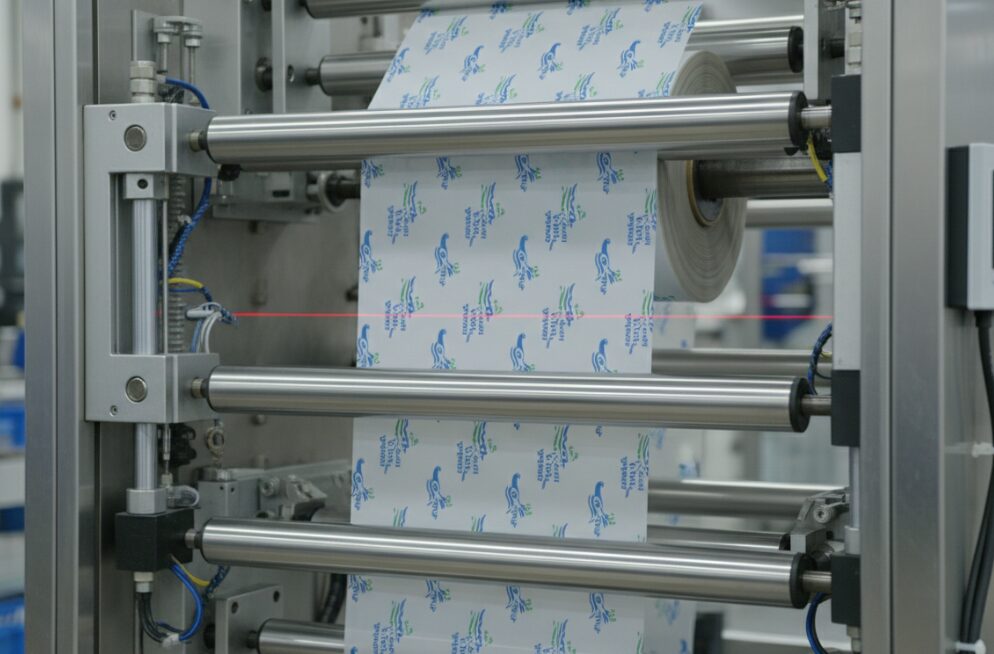
All processes start with raw materials. In the vertical bag-filling and packaging machine (FFS), the film is wound on a large reel (we usually call it a film roll). The system pulls the film through a set of tension rollers to ensure that it does not pleat or break when moving at high speeds. The tension control here is very critical. If the tension is unstable, the alignment and cut-off length of the printed pattern will be problematic. In the case of prefabricated bag packaging machines or bottling lines, containers are fed into the production line one by one by means of conveyor belts or rotary bag feeders.
2. Packaging molding
After the materials are in place, the machine will begin to “facelift” it. In VFFS (vertical) or HFFS (horizontal) equipment, the flat film flows through a mechanical part called a “former” or “elephant. It will fold the film into a tube or bag. At this stage, the longitudinal sealing mechanism will be pressed down first, welding the edge of the film to death, forming a cavity that can hold things.
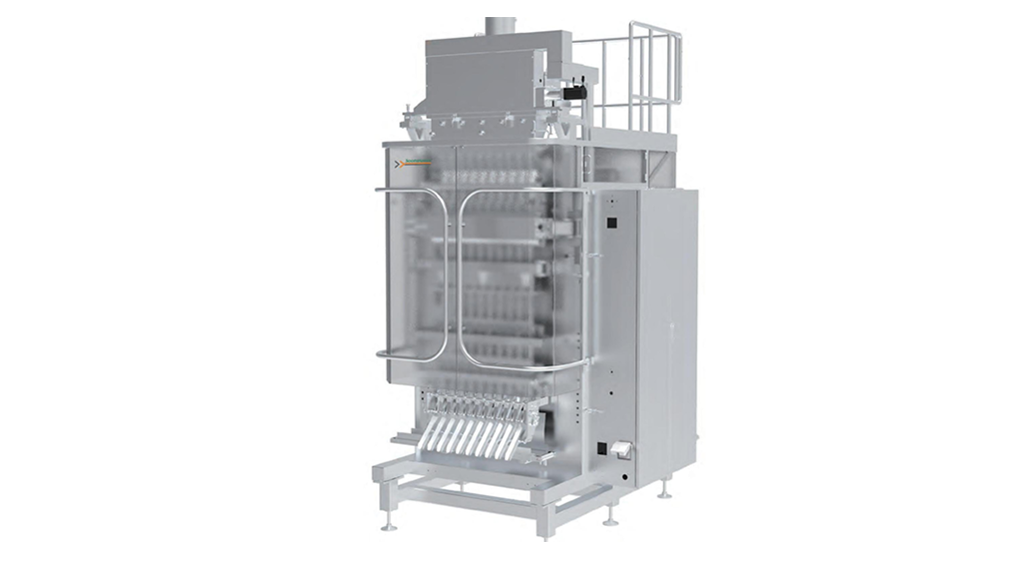
Vertical Packing
Vertical sealing servo, heat sealing servo
cold sealing servo, cutter servo
DKXL-650
Precision weighing or multi-head scales ensure consistent bag weight, with quality sensors enhancing packaging accuracy.
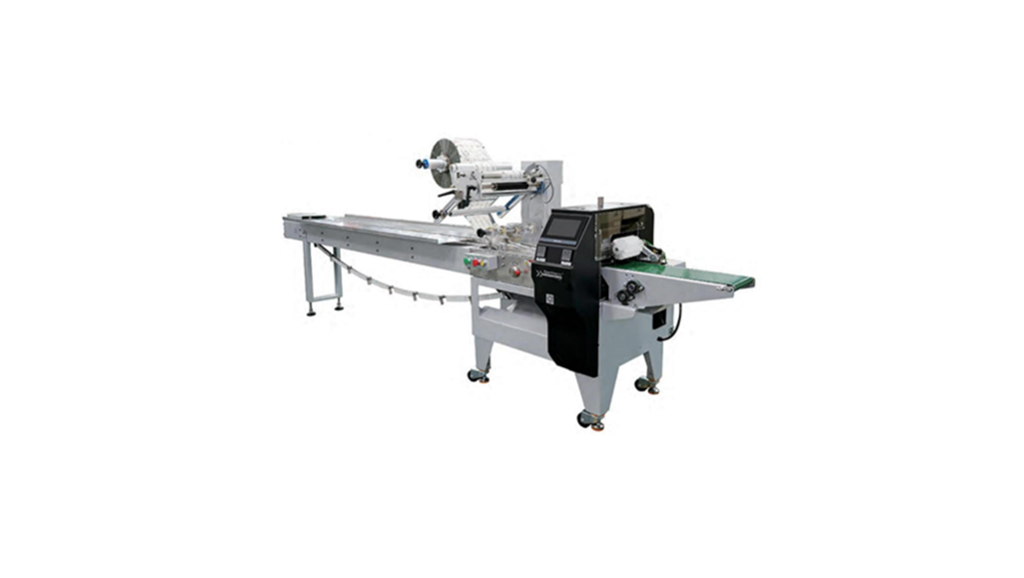
WP20
Automatically complete the processes of bag making, measuring, filling, sealing, bag cutting, etc., greatly improving the packaging speed.
3. Product Filling/Metering
Precision is a hard indicator to measure the quality of modern packaging machines. The metering station will accurately calculate the amount of product per 1. According to the physical characteristics of the material, we will choose different measurement methods:
- Screw metering machine: specially handle flour, coffee powder this fine powder.
- Volumetric metering: suitable for particles or liquid with good fluidity.
- Piston filling machine: deal with the sticky stuff of sauce.
- Combination scale: This is too common in the snack and frozen food industry, in order to ensure that the gram weight of each bag is not bad.
4. Sealing and cutting
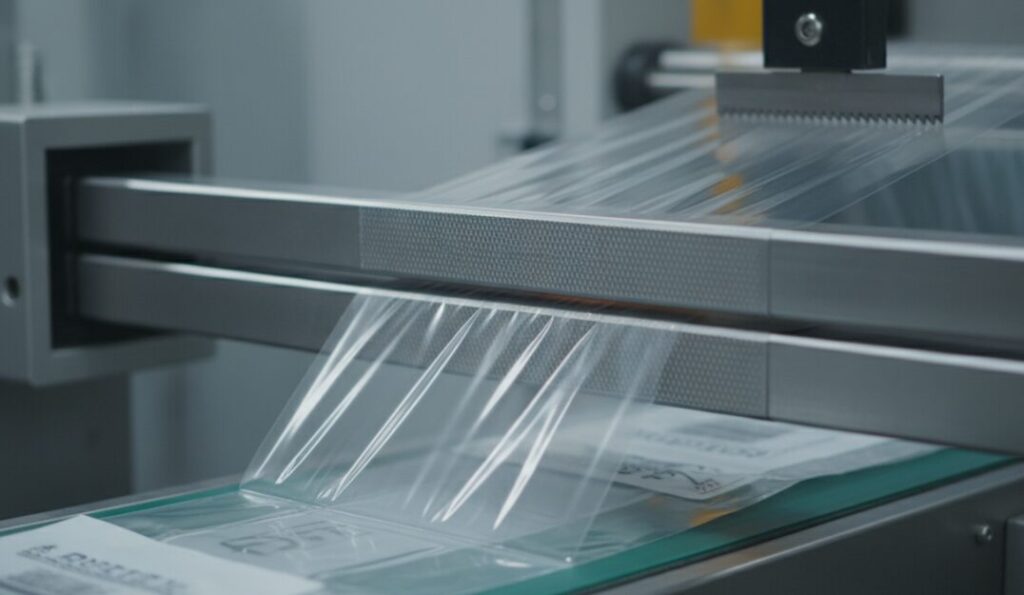
After the things are packed, the next step is to seal them to ensure food safety. Heat sealers or ultrasonic sealers apply pressure and heat to the edges of the film. After the sealing is completed, the high-speed cutter will quickly cut the continuous film and separate it into individual packages.
5. Labeling, Coding, and Inspection
Finally, the finishing touches. Thermal transfer printing or inkjet printing machine will directly mark the production date and batch number on the bag. Modern production lines integrate checkweighers, metal detectors and even X-ray machines to eliminate defective products that are not up to standard in weight or contain impurities.
Common Types Of Packaging Machines
You can’t choose a machine blindly. You must look at the state of the product and what you want to do:
- Vertical Bag Making and Packaging Machine (VFFS): Filling by gravity from top to bottom. Powder, snacks, hardware of choice, high efficiency.
- Horizontal Bag Making and Packaging Machine (HFFS): Operate on a horizontal surface, suitable for self-standing bags or special-shaped bags.
- Pillow packing machine (Flow Wrappers): The food industry is full of products such as chocolate bars and bread that require compact coating.
- Vacuum packaging machine: drain the air before sealing to deal with meat and dairy products that are easy to break.
Technical Support Behind Speed: PLC And HMI
To run at high speeds without human error, it depends on advanced control systems:
- PLC (Programmable Logic Controller): It is the “brain” of the machine “. It commands the rhythm of the robotic arm, the temperature of the sealing head, and the speed of the motor, ensuring that hundreds of parts move synchronously.
- HMI: That’s the touch screen. The operator is here to adjust parameters, watch speed or troubleshoot.
To be honest, packaging automation is to turn complex physical work into a precision industrial process. By kneading the mechanical, electrical and pneumatic systems together, the machine not only runs faster than people, but more importantly, it can ensure that every product that leaves the factory is exactly the same in terms of packaging quality.
Author: David Chen
“With over a decade of experience in industrial automation and packaging solutions, I specialize in demystifying the complex mechanics behind modern production lines. From the intricate logic of PLC systems to the precision of VFFS technology, I am passionate about helping manufacturers optimize their processes through a deeper understanding of how packaging machines work.”
